What Advertising Inside AI Assistants Will Actually Look Like
Advertising arrives wherever attention concentrates, and it is arriving in AI assistants. The unresolved part is where an ad can sit when the product is a single answer.
Search solved this with geography. Ads occupied a labelled band above the results, visibly separate, and the user could ignore them without ignoring the page. Separation was the whole design, and it is the thing an assistant does not have room for.
Why AI Assistants Cannot Copy The Search Layout
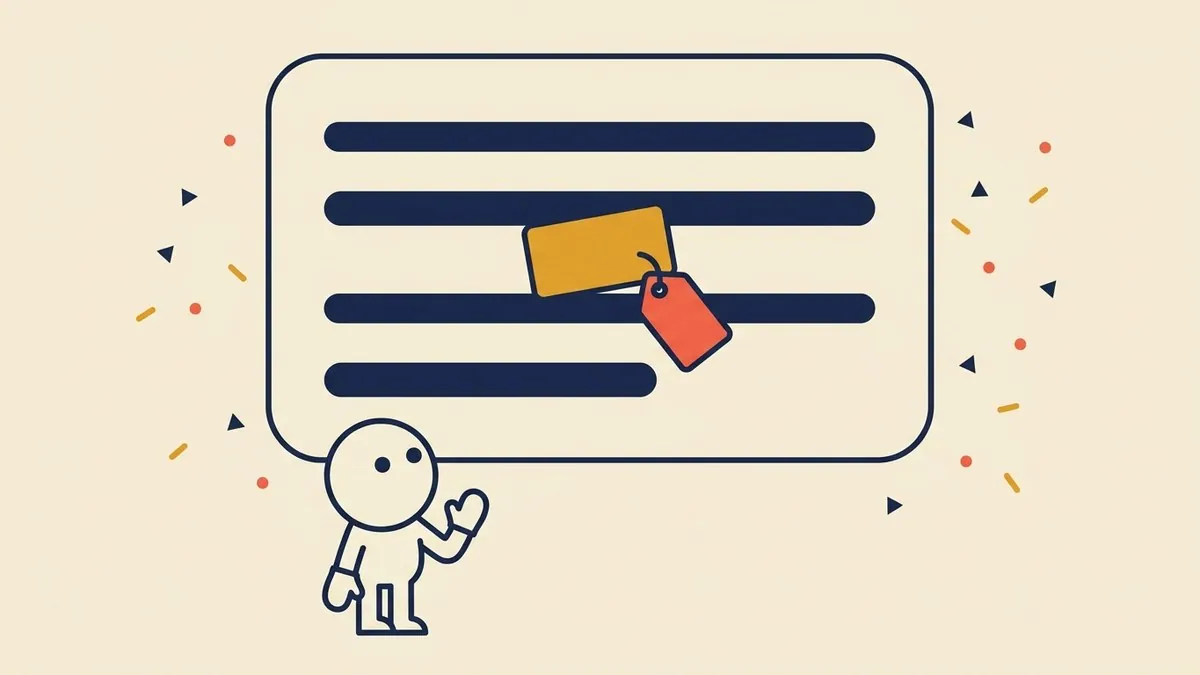
An assistant returns one composed response rather than a list. There is no column, no fold, no obvious edge where paid content could sit without either interrupting the answer or hiding inside it. Both options cost something the format cannot easily spare.
Interrupting damages the experience that made the assistant useful. Hiding damages the trust that made the answer worth reading. Neither is a small trade, and the platforms know it, which is why the formats being tested keep changing rather than settling.
Search could put the ad next to the answer. An assistant only has the answer.
The Three Formats Being Tried
Adjacent placement, where a labelled unit sits after the response and is easy to skip and therefore easy to ignore. Sponsored inclusion, where a brand is named within the answer with a disclosure, which is effective and immediately contentious. And follow-up placement, where the ad appears at the point the user shows intent, which is the most defensible and the hardest to scale.
What Brands Should Prepare For
Whichever wins, the buyable inventory will be small relative to demand, because an answer has far fewer slots than a results page. Scarcity of that kind tends to price aggressively and reward whoever understood the mechanics first.
The larger prize remains being named in answers nobody paid for, which is the ground covered in how brands get recommended by AI.
Advertisement