HubSpot Launches Agent Hub and Agent Builder in Public Beta
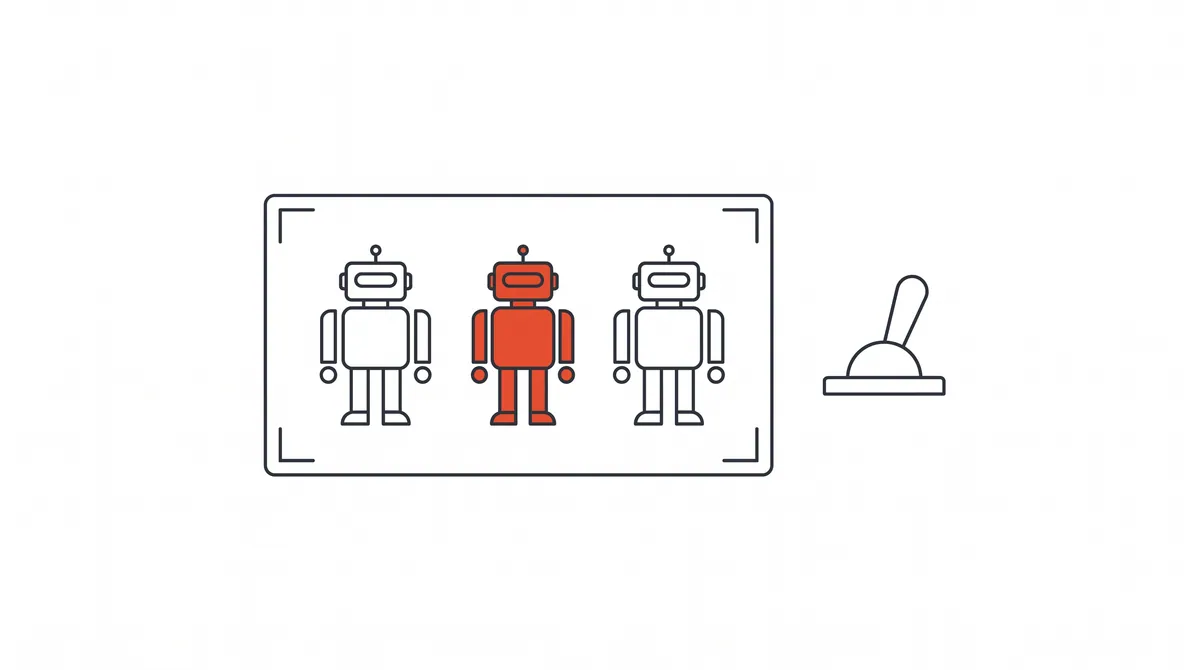
HubSpot has launched Agent Hub and Agent Builder, two tools to help marketing, sales and service teams manage and build AI agents, available in public beta for Professional and Enterprise customers. The tools address a specific failure mode: AI agents operating separately across go-to-market teams, working from different customer information and duplicating or conflicting on tasks.
- Products: Agent Hub and Agent Builder
- Availability: public beta, for Professional and Enterprise customers
- Agent Hub: central visibility into every active agent's status and performance, one-click activation for unused agents, and access to Agent Builder and HubSpot's Agent Marketplace
- Agent Builder: natural-language creation and refinement of custom agents, using deal history, contact records, call transcripts and buying signals
- Goals covered: building demand, winning deals, delighting customers and scaling growth
The Problem Isn't One Agent, It's Many
Duncan Lennox, Chief Product and Technology Officer at HubSpot, framed the launch around a coordination problem rather than a capability gap. The problem, he said, isn't managing a single agent in isolation; it's that once a business has multiple agents, they become fragmented, all working from different pictures of the customer, or worse, no picture at all. Agent Hub fixes that, giving one place to see agent performance, with every agent working together and using shared context, which he said is what will drive outcomes for go-to-market teams.
That framing matters because it describes a failure mode that gets worse, not better, as companies adopt more AI tools. Each new agent added without shared context is another source of duplicated or conflicting action rather than another source of leverage.
Building Agents in Plain Language
Agent Builder is the tool that creates and refines the agents Agent Hub then manages. It is built into HubSpot itself and lets teams construct agents and automations using natural language rather than code, drawing on data already inside the CRM: deal history, contact records, call transcripts and buying signals.
Putting agent creation and agent oversight in one connected system, rather than as separate products, is the structural bet behind the launch: that the value of AI agents in a go-to-market team depends less on how capable any single agent is and more on whether the organisation can see and govern all of them at once.
More on Ad Tribe Ad Tech.
Advertisement