HP Will Pre-Load Perplexity’s App On Its Windows PCs
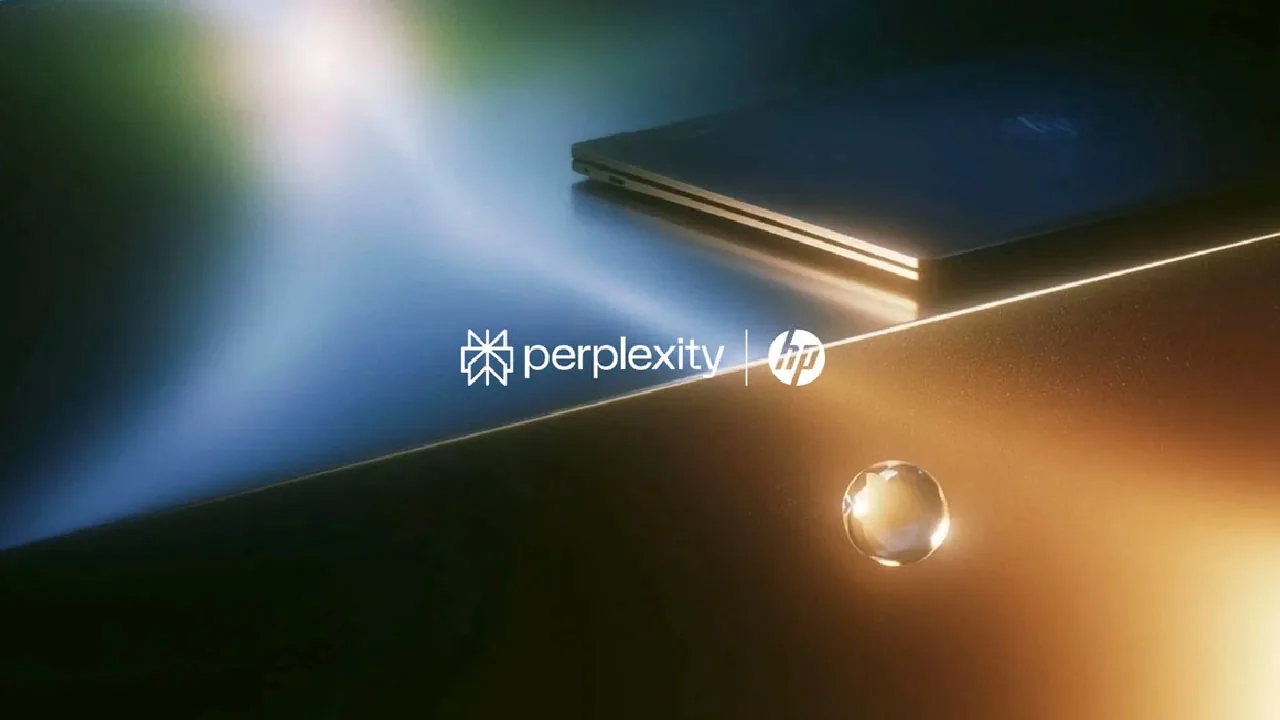
HP will ship the Perplexity app for Windows pre-loaded on its PCs, pinned to the Windows taskbar, starting with the HP ZBook Ultra G3a workstation. More HP devices are to follow in the coming months.
- Partners: HP and Perplexity
- What: the Perplexity Windows app pre-loaded and placed in the taskbar
- First device: HP ZBook Ultra G3a, built on AMD Ryzen AI Max PRO 400-series processors
- Included: Perplexity Computer, which works across local files, Microsoft 365, connected apps and the web
- Next: more HP Windows devices in the coming months
Why A Pre-Loaded Perplexity App Matters
Because defaults decide behaviour. The browser wars were fought over which icon sat on a new machine, and the answer shaped two decades of how people looked things up. The same real estate is now being sold to AI assistants, and a taskbar slot on a work laptop is a habit-forming position that no amount of advertising buys.
It also arrives while Microsoft is pushing its own assistant into the same operating system. A manufacturer shipping a rival assistant pre-pinned is a small act of independence with real consequences for which tool people reach for first.
What It Changes For Brands
The path from question to answer gets shorter, and a page of blue links is not part of it. Somebody researching a product inside an assistant sees a synthesised answer with a handful of sources, which means the brand's job is to be one of the sources rather than to rank fourth.
That is a content problem before it is a media one. The material an assistant can quote is specific, structured, and answers the question in the words a person would actually use. Most brand sites are still written to impress a visitor who has already arrived.
The Measurement Problem Behind It
Perplexity set out the rollout in its own announcement. Referral traffic from an assistant is thin, and a brand mentioned inside an answer may never produce a click at all. Marketers will have to get comfortable with a form of visibility that shows up as demand rather than as sessions, which is an uncomfortable return to how advertising worked before anyone could count it. More in ad tech.
Advertisement