Synthetic Voice In Audio Advertising
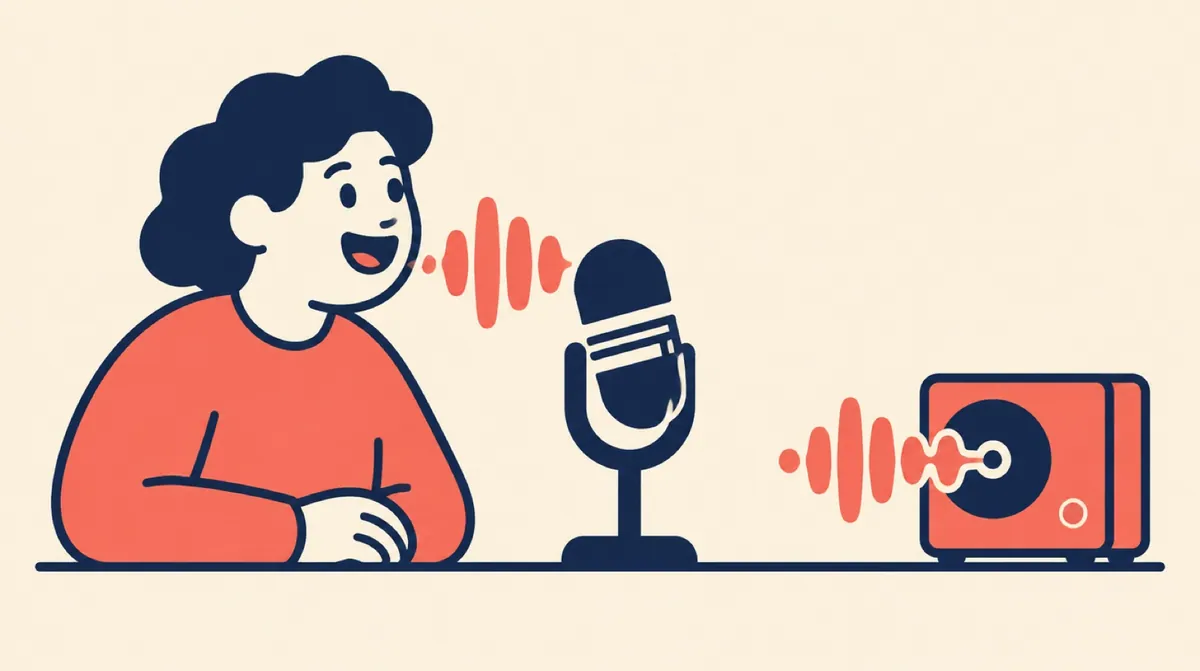
Synthetic voice is the most advanced and least discussed part of this shift in Indian advertising, because audio work is cheap, high-volume and rarely admired.
A radio spot, a mall announcement, an IVR line, a product explainer in eight languages: none of these get written about, and together they are a large amount of paid work for a large number of voice artists.
Where Synthetic Voice Is Already Standard
Volume localisation. The same thirty-second read in several languages, refreshed weekly, for regional retail. That work was always priced tightly and it is the first to move.
Also drafts. A scratch track for an edit used to mean booking somebody or having a producer read it badly. Now the rough cut carries a clean read from the start, which genuinely improves the review.
What It Does Not Replace
Character. The reason a particular voice sells a particular brand is timing, warmth and the small imperfections a person brings, and the market for the recognisable voice is, if anything, more valuable now that the generic one is free.
Live reads by presenters with their own audience are similarly safe, because the value there is the relationship rather than the audio.
The generic read is now free. The voice somebody recognises is worth more than it was last year.
The Consent Question Nobody Has Settled
Voice artists in India are routinely asked to sign broad usage terms without a clause about model training or cloning. Some are discovering their read has become a permanent asset rather than a booking.
The fair version is straightforward and already used by careful producers: cloning requires separate, explicit, paid consent, with a term and a scope, the same way a face does. Agencies that adopt it now will avoid being the case study when this becomes a dispute.
Related: likeness rights in Indian advertising.
More in The AI Shift.