Brand Guidelines A Machine Can Read
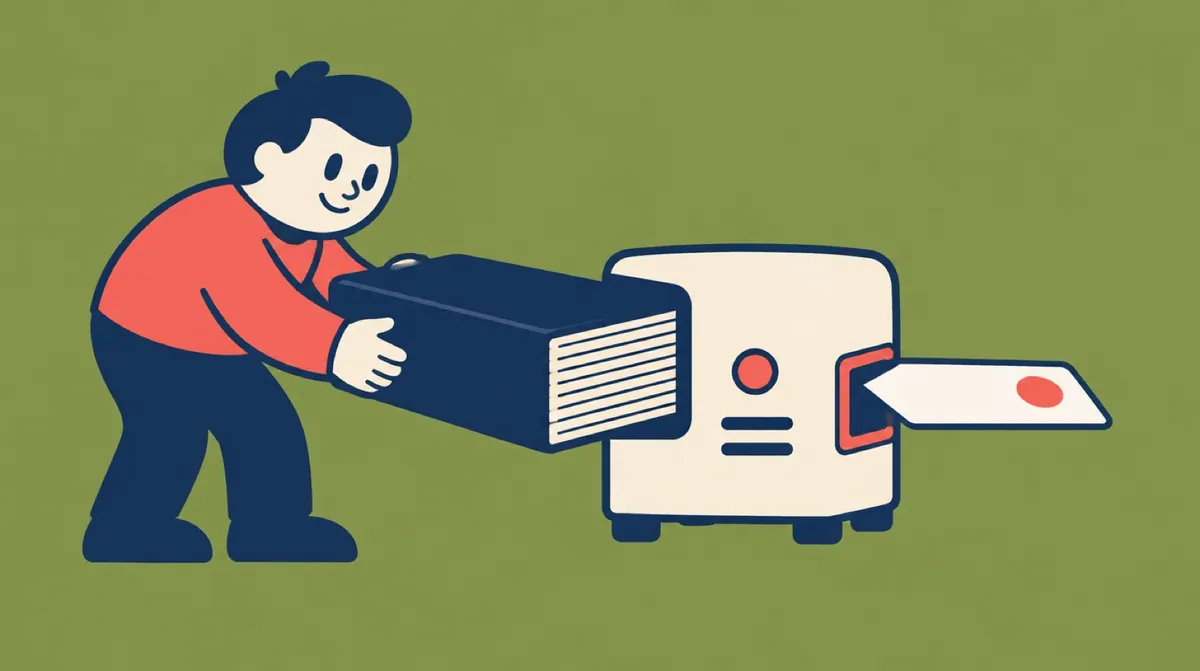
Brand guidelines have always been written for a reader who can infer. A designer reads "confident but never shouty" and understands roughly what is meant, because they have seen the brand and met the people.
A tool infers nothing. It follows what is specified and invents the rest, and the rest is where a brand's character actually lives. That is why the guidelines document is quietly being rewritten across the industry into something closer to a specification.
What Machine-Readable Brand Guidelines Contain
Hard constraints, stated as rules rather than as adjectives. Exact colour values and where each may be used. Type sizes and the relationships between them. Clear space, which most PDFs already do properly. Permitted and forbidden crops of the logo.
Then the parts that were never written down because everybody knew them: which words the brand does not use, what the product is never shown doing, whether people in the brand's world look at the camera.
The Part That Resists Specification
Judgement, obviously. No rule set distinguishes charm from try-hard, and a brand defined entirely by constraints produces work that is compliant and forgettable.
The useful compromise is to specify the floor and leave the ceiling open. Write the rules that catch the errors, and keep a human decision for anything that is trying to be good rather than merely correct.
Guidelines used to describe a brand to someone who could imagine it. Now they have to describe it to something that cannot.
Who Should Own The Document
Not the agency alone, and not procurement. In practice the brands doing this well have one person on the client side who owns the specification and is empowered to update it when a decision is made, which keeps the rule set from drifting out of date within a quarter.
The prize is not automation. It is that the twentieth market, the smallest agency and the newest junior are all working from the same instructions, which is something the beautiful PDF never quite achieved.
Related: keeping a brand voice consistent.
More in The AI Shift.