Can A Brand's Voice Stay Consistent When AI Is Doing More Of The Writing?
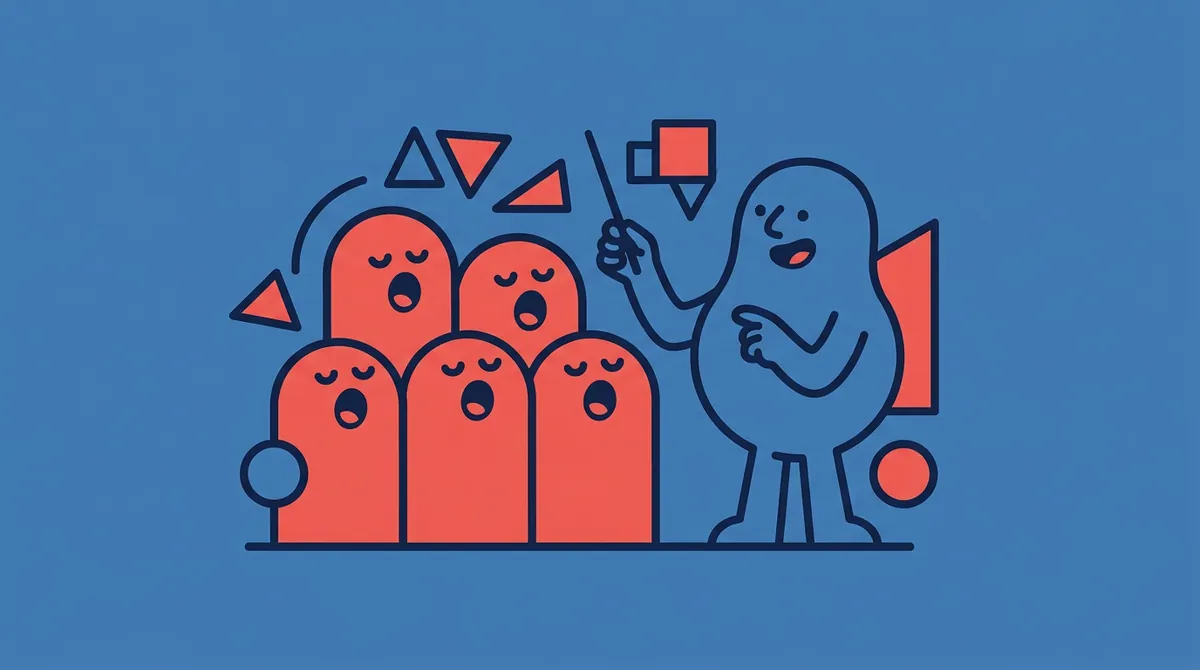
Brand voice consistency was always harder to maintain than brand guidelines suggested, because it depended on dozens of different writers, across agencies and years, all interpreting the same document slightly differently. AI actually solves that specific problem well. It introduces a different one in its place.
A well-trained AI model, fed a brand's voice guidelines and a large enough sample of approved copy, can produce output that adheres to a defined tone far more reliably than a new freelance writer picking up the brief for the first time. It doesn't get tired, doesn't forget a rule from a document it read months ago, and doesn't unconsciously drift toward its own personal writing style the way every human writer eventually does. For brands that have struggled for years with voice drift across different writers and agencies, this is a genuine improvement.
Where the improvement turns into a risk
The problem is that brand voices were never meant to be static, they evolved gradually as culture, category conventions and the brand's own confidence changed, and that evolution usually came from individual writers pushing slightly against the existing guidelines and being allowed to stick if it worked. An AI model trained tightly on existing approved copy has no equivalent instinct to push against its own training data. Left unchecked, it optimises for consistency with the past, which is precisely the opposite of what a voice needs to do as a brand grows or a category shifts.
The fix isn't looser guidelines, it's deliberate friction
Brands managing this well are not loosening their AI tools' adherence to voice guidelines, which would reintroduce the inconsistency problem AI was meant to solve. Instead, they're building in a periodic human review specifically tasked with challenging whether the voice guide itself still fits the brand, separate from the day-to-day job of checking whether individual outputs match it. That keeps the tool doing what it's good at, consistency, while keeping a human explicitly responsible for the thing it's structurally bad at, deciding when consistency has become staleness.
AI is very good at keeping a brand voice the same. Someone still has to decide, on purpose, when it needs to change.
What this means in practice
The brands getting the most value from AI-assisted copy are treating the model as an extremely reliable executor of a voice that a human still actively owns and periodically revises, not as the author of the voice itself. That distinction, between who executes a tone and who is accountable for whether it's still the right one, is doing most of the work in keeping brand voice both consistent and alive.