A Voice Is Wildly Yours, But Never Yours
On building a brand voice, handing it over, and knowing when to get out of its way.
- Written by
- Devargh Mukherjee
- Role
- Senior Creative Manager
- Company
- Zepto
- Published
- 10 hours ago
- Read
- 7 min read

On building a brand voice, handing it over, and knowing when to get out of its way.
Creative people are passengers.
We join a brand somewhere in the middle, take the front seat, flex our fingers and start clanking away at the keyboard, hoping the brand we love is also loved by the people.
For a while, it becomes an extension of us. Our humour, our references, our peculiar way of seeing the world.
And then we leave.
Someone else takes the seat. Will they write like I did? Laugh at the same things? Should they?
Once, this was a question about one writer replacing another. Today, a brand speaks through in-house teams, agencies, freelancers, creators and machines that can produce a hundred headlines before you’ve finished your coffee. Everyone has a pen. Everyone is sure they understand the brand.
So what happens when they all start writing? Does a brand get richer with every voice, or slowly lose what made it recognisable? Are we building distinct personalities, or an army of NPC brands?
The writer is usually louder than the brand
I’ve spent more than half my career in agencies, where writing is an exercise in shapeshifting.
On Monday, you’re funny. On Tuesday, you’re writing about a life-changing medical device. By Wednesday, you’re explaining why insurance matters when tragedy strikes. By Friday, you’re selling a supercar worth two mortgages, preferably before Diwali.
You learn to shapeshift. But the shapeshifting shapes you back.
When I wrote an ad for Porsche India, a friend texted, “I know this is you.” When I wrote for Myntra at another agency, two more friends said the same. Different brands, different briefs, the same writer peeking through.
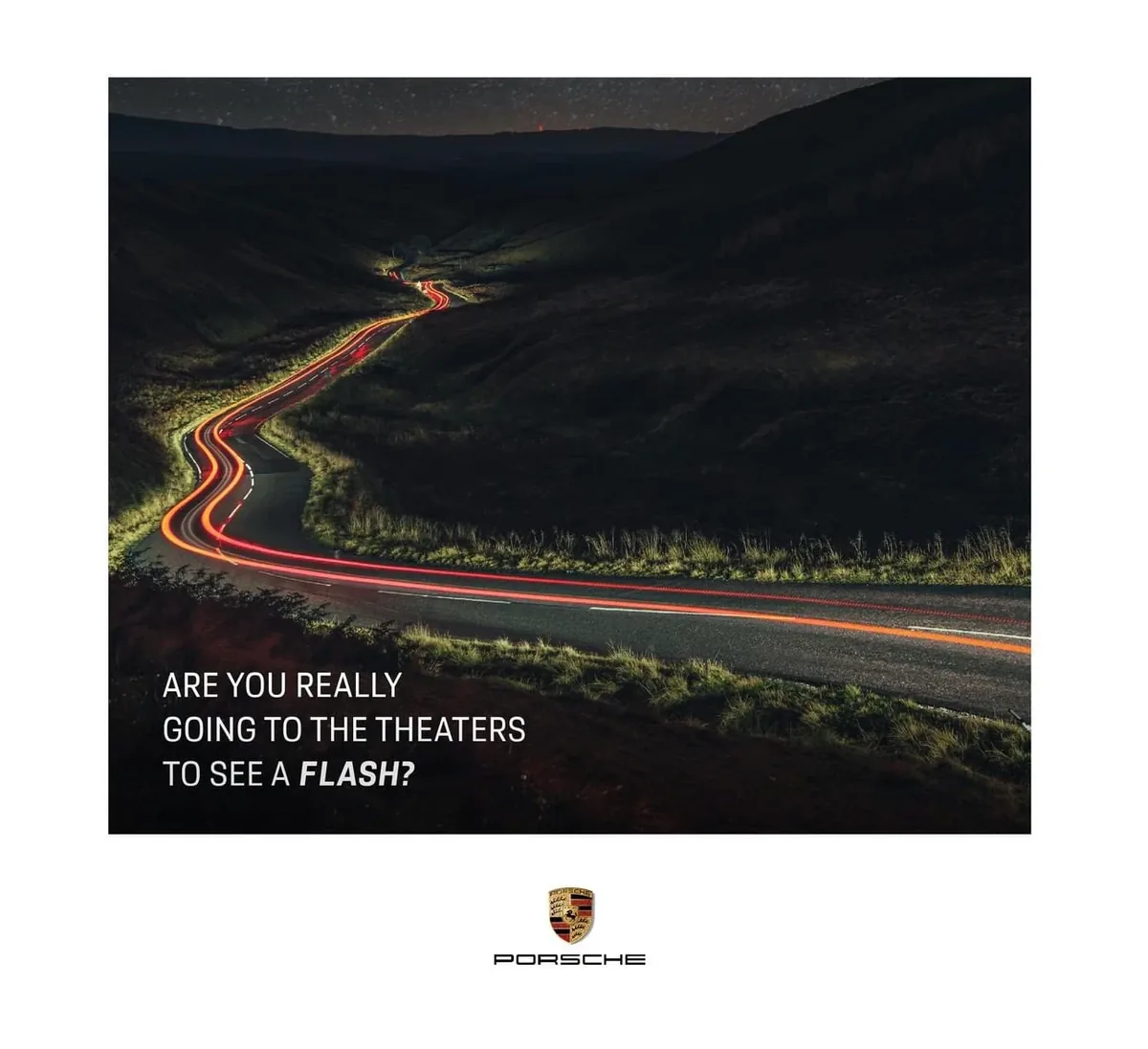
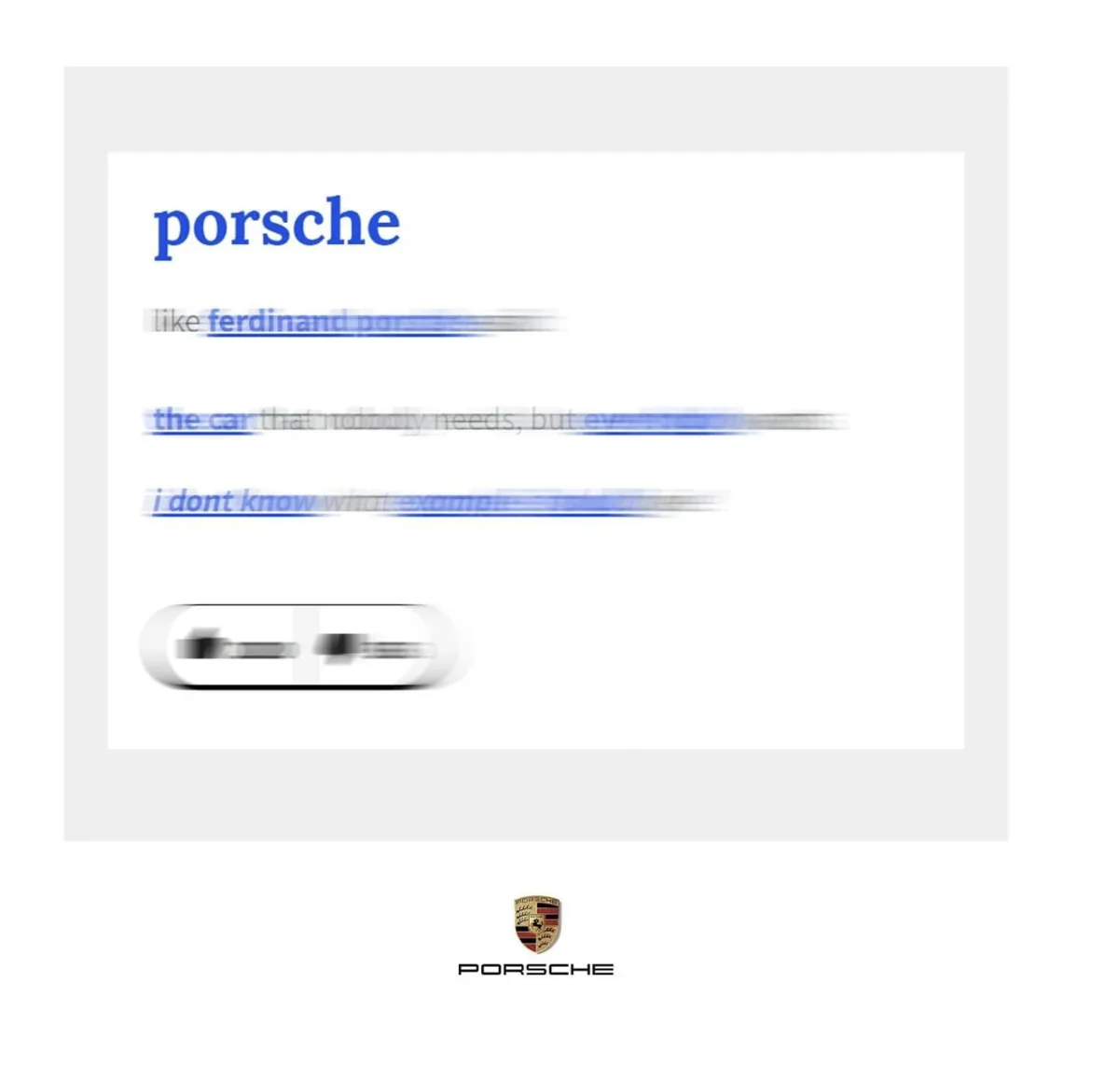

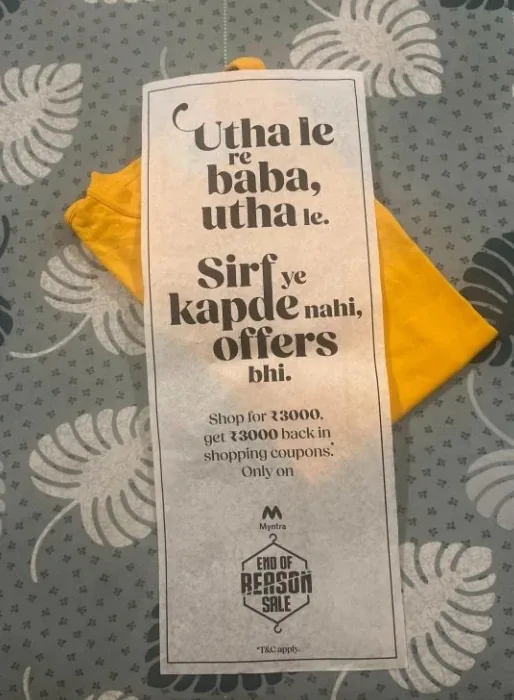
Flattering, yes. But if people recognise the writer faster than the brand, whose voice are we building?
Every writer carries a suitcase of references, habits and biases, and unpacks it wherever they go. Tell ten writers to be “witty, warm and bold” and you’ll get ten interpretations of three adjectives.
The scientists have entered the room
So how do we know who we’re talking to?
Enter data.
On the brand side, we watch it work in real time, and I’d call it our biggest advantage. Every word has an impact, not figuratively but literally. Words are scrutinised, cut out of their sentences, placed on petri dishes and judged. Which headline turned heads? Which punctuation worked? Which joke went unnoticed?
I absolutely abhor exclamation marks at the end of a headline.
The data says they work.
So we use them!!!
The data is clear, and it mocks you.
Data tells you what works, not what a brand should believe. But when two writers disagree about what’s funny, the audience is a far better referee than seniority.
If the scientists have their microscopes, where does that leave the artists? Perhaps by looking back instead of forward. Before the microscope, there was a time machine.
Enter brand baggage
Every established brand carries baggage.
“Just Do It.” An extraordinary line, a legacy, and baggage. Every writer who follows has to write under its shadow. “Volvo is safe.” A thought that has survived generations, and one every new writer must reckon with.
Baggage isn’t bad. It’s the weight of everything a brand has said and become known for. At Zepto, ours was speed. So do you strip the narrative away? Or communicate speed without ever saying the word, so it’s understood, subconsciously believed and trusted?
Baggage is what a brand has said. Voice is how it sees the world.
This is where a writer sweats. You know the people, the product, the rules, the baggage. Now what?
I think, on the brand side, a writer must first become the footnote before becoming the author.
The footnotes that became authors
Take Blendtec.
The brand already had its author, and the proposition was simple: an extraordinarily powerful blender. Now imagine being the next writer. Another product film? More high-resolution shots of blades?
YouTube was just finding its feet, and someone asked a ridiculous question.
Will it blend?
Suddenly the blender was a machine people wanted to challenge. A screwdriver? A calculator? A Coke can? The audience supplied the dares. The brand supplied the blender. The proposition never changed. The people who came later simply found a more interesting way to prove it.
But Blendtec was young. What happens when the baggage is decades old?
Take Surf Excel.
The idea that dirt is good was already established internationally. But when “Daag Acche Hain” found its voice in India, it didn’t borrow the same stories. It found dirt where we find it: Holi, cooking, children making silly mistakes. The thought was familiar. The world around it was unmistakably Indian.
Then there’s Motilal Oswal.
The brand’s claim was simple: we’ve been investing for a long time, and we know mutual funds better than most. It was true, but expertise is hard to feel, and anyone can say “trust us, we know.”
The writers who came after didn’t repeat the claim. They went looking for mastery in everyday India. The window washer who cleans glass every single day. The chef who slices vegetables to perfection. Different faces, one idea: when you focus on one thing, you master it. People saw mastery in those they already respected, and made the connection themselves.
Closer to home, there’s Eveready x Zepto’s “Thak Thak.”
Eveready’s claim was durability: batteries that last longer. It’s a promise that’s easy to make and easy to ignore. So instead of repeating it, we found something people already do. When a remote dies or a toy slows down, we thump it. Thak, thak. A gesture almost everyone knows, turned into the brand’s own sound.
Nobody had to be told what a failing battery feels like. They recognised themselves in it. The claim stayed the same. The writers simply found the human habit that proved it and used music as the creative device.
And then there’s Nike.
“Just Do It” already had its authors at Wieden+Kennedy. What could you possibly add to three words that had already changed advertising? Perhaps not a better line, but better questions. What happens after the game? Can we talk about fear, insecurity, the competition? About people told they aren’t good enough, or not even allowed to play sport in their own country?
The newer writers didn’t have to outwrite the originals. They had to understand them. They became understudies, believers, footnotes to a thought larger than themselves.
And eventually, they wrote their own pages.
A hundred hands, one voice
Today, the next writer might not be a writer at all. It could be a creator, a freelancer, or someone prompting an AI to sound “witty, warm and bold.”
And there’s the problem again. Left alone, AI can produce something that sounds like a brand. Unfortunately, it may sound like every brand.
So perhaps we shouldn’t ask tools, or even new writers, to invent a voice. We should first teach them what they’re adding to. What has the brand said? What would it never say? What does it believe that no other brand does?
Give them the DNA, not just adjectives. Then let them experiment.
A voice has DNA, but it isn’t the whole body. The DNA stays. The body grows, changes and occasionally surprises the people who made it. Some writers will follow the rulebook. Some will write between its lines.
The trick isn’t making everyone sound the same. It’s making sure their words belong to the same book.
Maybe that’s the strange thing about creative work on the brand side. You spend years giving something your voice, only to realise the real achievement is helping it find one that doesn’t need you.
Some of us become authors. Others become footnotes. The book carries on long after we’ve left the room.
A voice is wildly yours, but never yours.
That’s everything that makes it special.