Why Smaller Agencies Can Now Compete With Large Network Agencies
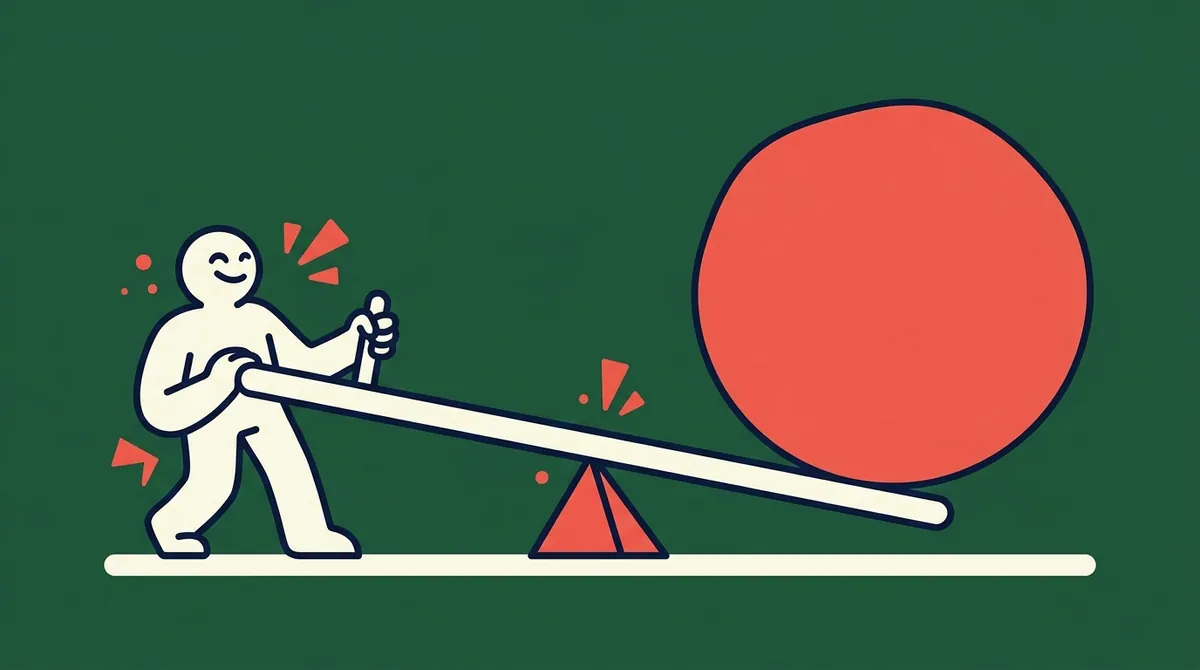
A ten-person shop can now produce work that would have needed a network's bench strength two years ago. That is a real shift, and it is not the whole story.
For most of advertising's modern history, production quality tracked reasonably closely with headcount and infrastructure. A network agency could staff a bigger shoot, run more design iterations in parallel, and cover more markets and languages at once, simply because it had more people to throw at the problem. A boutique agency competing on craft alone still had to explain why a client should trust ten people over two hundred. AI tools have not erased that conversation, but they have made it a much fairer fight than it used to be.
Where the playing field has genuinely levelled
Asset production, localisation, rapid iteration and even a first pass at media planning are exactly the tasks where a large team's advantage was pure throughput, and throughput is precisely what AI tools are good at replacing. A small agency with a sharp strategic point of view can now produce the volume and polish of output that used to require a much bigger bench, which means the pitch conversation shifts away from "can you handle the scale" toward "whose idea is better," a conversation small agencies with strong creative leadership tend to win more often than their size would suggest.
What AI has not touched
None of this closes every gap. Media buying scale still matters when a client is negotiating rates across a national television and digital plan, and a network's ability to guarantee coverage across twenty markets with local regulatory and cultural knowledge in each one is not something a ten-person shop can fake with better software. Large clients also buy risk mitigation as much as they buy creative output, the comfort of knowing an agency has the infrastructure to absorb a crisis, a leadership change, or a sudden scope increase without missing a beat. AI does not give a small agency that kind of institutional depth.
AI closed the craft gap between small and large agencies. It did not close the trust gap, and that is the harder one to win.
Where this actually plays out in pitches
The practical effect shows up most clearly in mid-sized accounts and specific project work, categories where a client wants sharp thinking and fast execution more than it wants national media scale or crisis-proofing. Boutique agencies that lean into that lane, rather than trying to look like a smaller version of a network, are the ones converting the AI-driven craft parity into actual new business. The agencies losing this fight are the small shops still pitching on the old terms, promising they can match a network's scale, instead of making the case that they no longer need to.