Who Owns A Model Trained On A Brands Archive
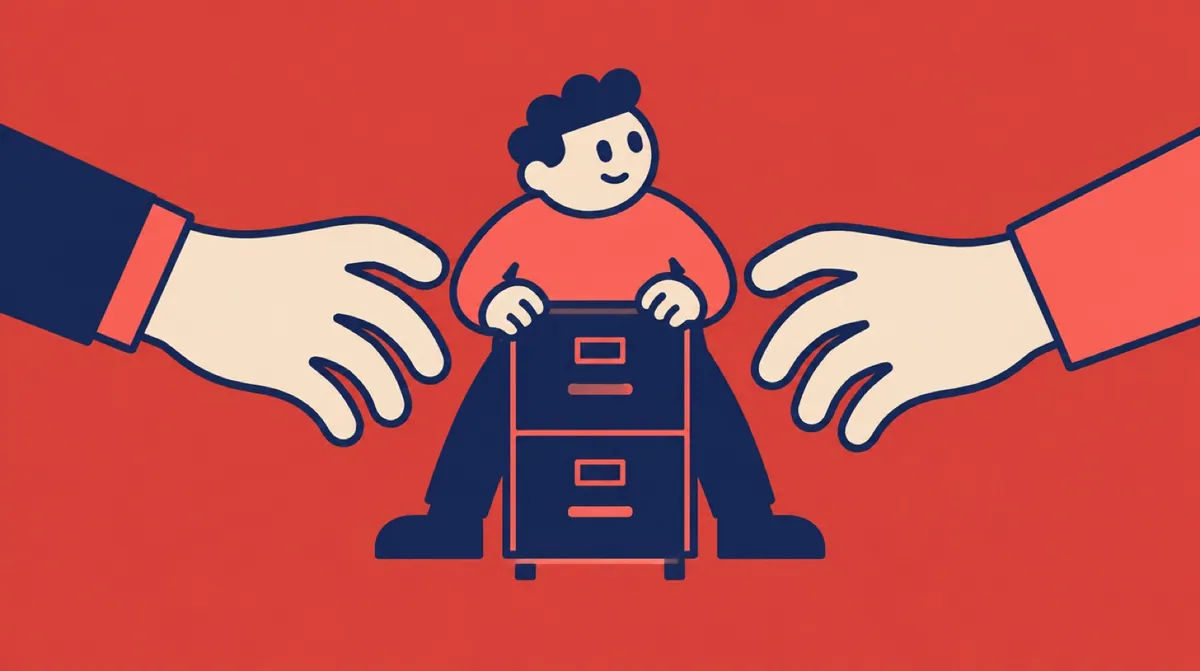
Every long-standing advertiser is sitting on a brands archive: three decades of films, layouts, photography, packaging and retouched product shots, most of it in a cupboard or a hard drive nobody has opened since the last agency change.
That archive is now the most useful training material in the relationship, because it is the only corpus that contains what this particular brand looks like when it is done properly. And almost no contract written before 2023 says anything about what may be built from it.
Why The Brands Archive Suddenly Has A Price
A model tuned on a brand's own material produces work that needs less correction, which is a real saving and a real competitive advantage for whoever holds it. It also embeds the brand's visual logic in a form that can outlive the people who understood it.
Both of those make it an asset rather than a storage cost, and assets get argued about at the end of a contract rather than the beginning.
The Three Questions Nobody Answered
Who owns the tuned model when the agency is replaced. Whether the agency may use what it learned on one advertiser's material for another, which sounds obviously wrong and is technically difficult to prevent. And whether the original creators, the photographers and directors whose work fills the archive, licensed it for this.
The third is the one most likely to arrive as a surprise. A 2014 shoot was licensed for media and duration, not for training, and the paperwork is silent because nobody had the idea yet.
The archive was always the brand's memory. It has become the brand's model, and the contract still calls it storage.
What To Put In Writing Now
That the advertiser owns any model derived from its material, that the agency may not use it elsewhere, and that new production contracts include a training clause with an explicit yes or no from the creator.
None of this is expensive to agree at the start of a relationship. All of it is expensive to argue about at the end of one, which is exactly when it will come up if it is left out.
Related: who owns an AI-generated idea.
More in The AI Shift.