Virtual Influencers In India
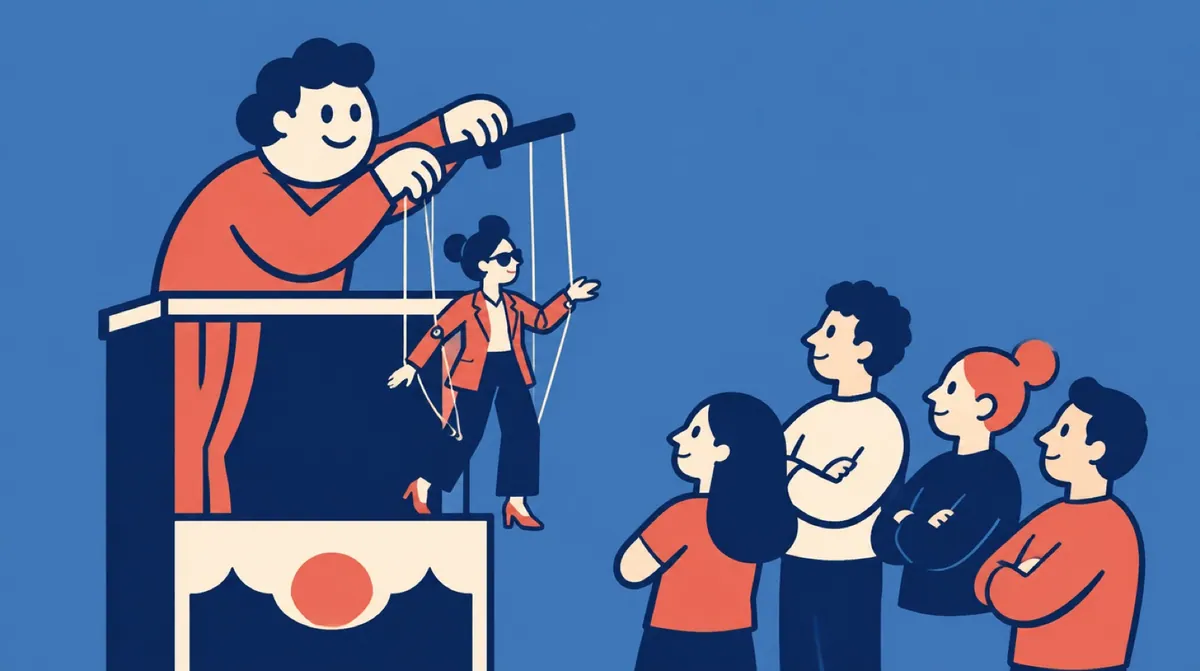
Virtual influencers keep returning to Indian marketing plans for a reason that has nothing to do with technology. A brand-owned character cannot be photographed somewhere embarrassing, cannot renegotiate, and cannot endorse a competitor next quarter.
Every one of those is a genuine benefit to a brand manager who has lived through a celebrity crisis. None of them is a reason for an audience to care.
What Virtual Influencers Are Actually Good At
Being a mascot with a feed. As a brand property, a consistent character that appears across campaigns, packaging and retail is a legitimate and old idea, and doing it in a contemporary visual language is fine.
They also work where the product is the story and the presenter is furniture: format explainers, catalogue walkthroughs, repetitive category content in several languages.
Where The Model Breaks
Recommendation. Influence rests on the belief that a person chose this, and that they had the option of choosing something else. A character owned by the advertiser has no such option, and an audience works that out immediately.
Disclosure makes it sharper. Once the audience knows the figure is synthetic, the endorsement collapses into an advertisement, which it always was. That is not a failure of execution; it is the structure.
A character that cannot say no to the brief is not an influencer. It is a logo with a face.
The Version That Works
Be plainly what it is. The brands that have got value from this treated the character as an owned property, never claimed it was a person, and used real creators alongside it for anything that required a recommendation.
The ones that lost value tried to blur the line, and spent the following month explaining themselves instead of selling anything.
Related: whether audiences trust AI recommendations.
More in The AI Shift.