The Creator Tool Stack
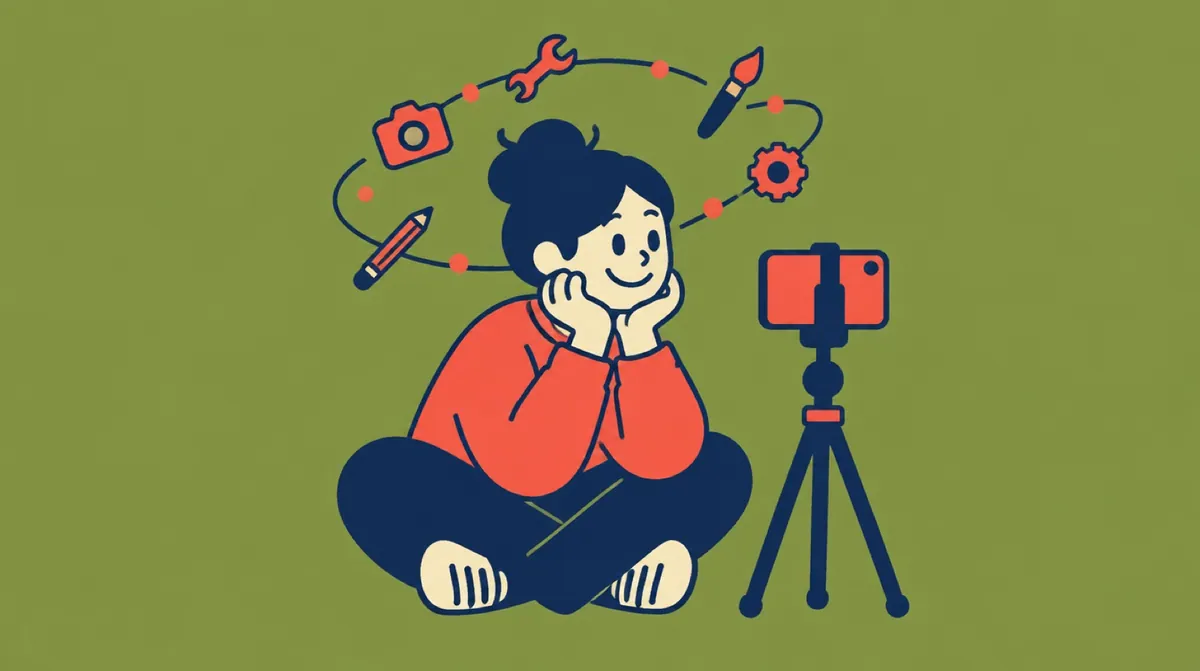
The creator tool stack moved faster than the agency one, for the simple reason that a creator who saves two hours a day keeps the two hours.
Editing, captioning, translation, thumbnails, scripting variants: a competent solo creator now runs a production pipeline that would have required a small team, and does it between shoots.
What The Creator Tool Stack Changes For Brands
Volume and turnaround, first. A creator can deliver a campaign in four languages and six formats without a studio, which removes a chunk of what brands used to pay production partners for.
Second, and less comfortably, it narrows the gap between what an agency delivers and what a creator delivers. When both can produce a finished film, the difference is the idea and the distribution, which is a more honest basis for a fee anyway.
The New Questions In A Creator Contract
Whether synthetic voice or a generated likeness of the creator may be used, and for how long. Whether the brand may reuse the creator's material to generate more. And what happens to a creator's face and voice in the brand's archive after the deal ends.
Those clauses are missing from most creator agreements in the market, which are still written as media buys rather than as licences of a person.
The creator is no longer renting an audience. They are renting an audience, a studio and a likeness, and only one of those is priced.
What Agencies Should Do About It
Stop treating creators as a media line and start treating them as production partners with a distribution advantage. That means briefing them properly, paying for usage rather than for posts, and being specific about what may be generated from what they supply.
The agencies that do this well are getting better work at a lower cost than the ones sending a brief and a rate card, which is roughly how it has always gone with good production partners.
Related: when creators influence agencies.
More in The AI Shift.