Licensing A Face In The AI Era
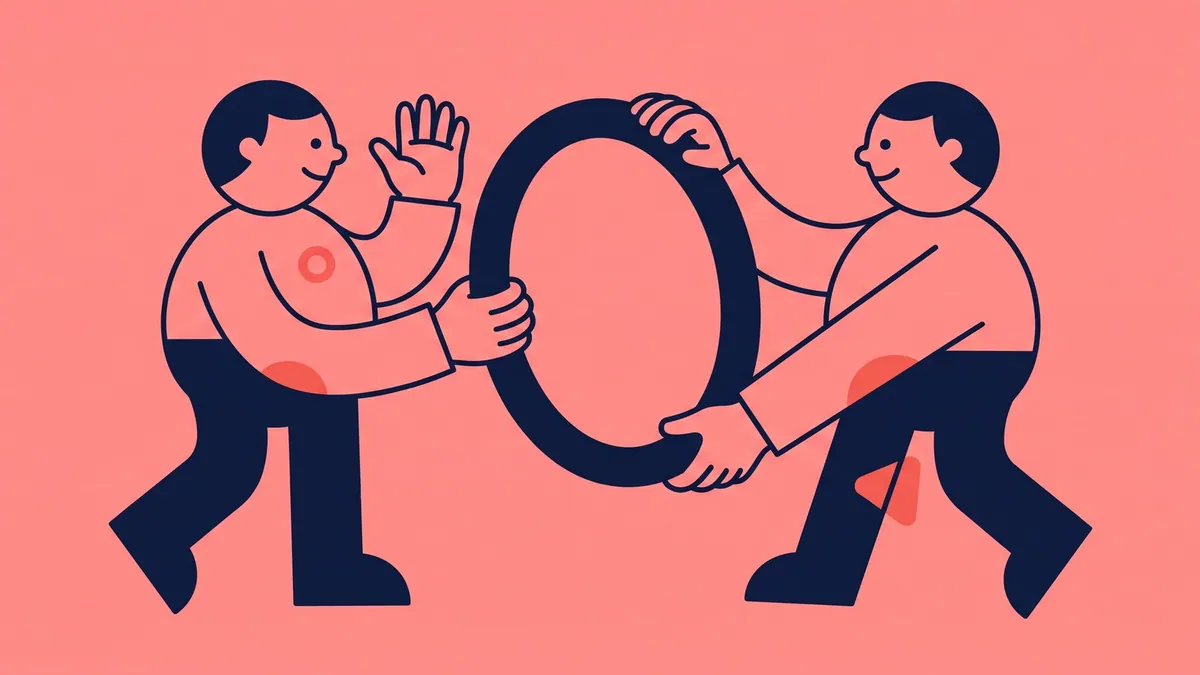
A celebrity endorsement used to be a purchase of time. So many shoot days, so many territories, so many months of usage, and when the window closed the asset stopped working. Licensing a face that can be generated does not expire the same way.
That is a contract problem before it is a creative one, and most existing agreements were not drafted with it in mind.
What Licensing A Face Used To Assume
That producing more required the person. If a brand wanted a new execution it needed another day, which is a natural limit and also a renegotiation point. Remove the shoot and the limit goes with it, along with the leverage it gave the talent.
The questions that follow are unglamorous and expensive. How many generated executions. In which markets. Reviewed by whom. Deleted when.
The valuable clause is no longer how many days. It is what happens to the model after the contract ends.
Where The Rules Now Sit
ASCI's guidance is explicit that replicating a real person's likeness or voice requires consent and must be disclosed, and that unauthorised likeness is prohibited outright rather than curable by a label. That moves the consent question from a private commercial matter to a compliance one.
The Emerging Shape
Multi-year arrangements built around ongoing participation rather than a shoot, with the talent involved in what gets made. It is a better deal for the small number of people with real leverage, and a considerably worse one for everybody else, whose likeness is cheap to approximate and rarely worth litigating.
More from The AI Shift.