The Story of Swati Bhattacharya, the Voice That Changed How India Talks About Women
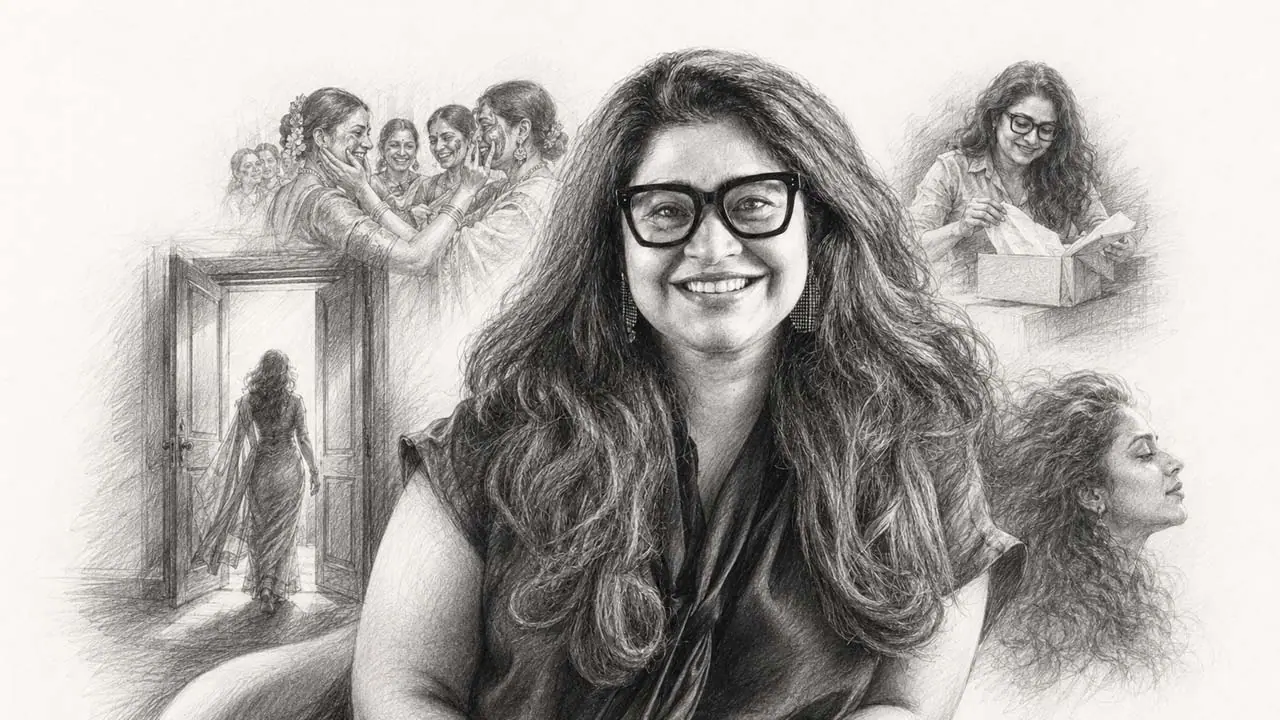
For four hundred years, the Bengali ritual of Sindoor Khela belonged only to married women. Widows, divorcees and single women stood at the edges and watched. In 2017 a campaign for The Times of India asked why, and invited every woman in. "No Conditions Apply" started a national conversation. The creative force behind it, and behind a body of work that put Indian women at the centre of advertising, was Swati Bhattacharya.
Who she is
Swati Bhattacharya is one of the most awarded creative leaders in Indian advertising and a rare woman at the very top of the craft. In 2016 she became India's first female Chief Creative Officer at a major agency, at FCB Ulka, and later served as Creative Chairperson of FCB India.
Early life and background
She spent about two decades at JWT Delhi, working on brands such as Maggi, Sunrise, Pepsi and Pizza Hut, before joining FCB in 2016. Across a career of more than thirty years, her work has returned again and again to one theme, the inner lives of Indian women.
The rise
Bhattacharya built her reputation as a writer with a conscience, then as a leader who could turn social insight into famous, effective campaigns. Under her creative leadership FCB India won more than a hundred and eighty awards and was named Adweek's International Agency of the Year in 2022.
Signature work
Her defining campaign is "Sindoor Khela: No Conditions Apply" for The Times of India, which argued that a four hundred year old ritual reserved for married women should welcome every woman. It won FCB India its first Cannes Lions in 2018. She followed it with "Times Out and Proud," the "Nominate Me Selfie" campaign that pushed for more women in politics, "The Open Door" for schools, and "The Politics of Hair," a striking exhibit made with the photographer Rohit Chawla. Each took an uncomfortable social truth and gave it dignity.
The Times of India film that started the conversation, "Sindoor Khela: No Conditions Apply":
Creative style
Bhattacharya writes from empathy, and she worries that the industry has lost some of its nerve.
"Advertising used to be braver, with instinct playing a significant role. There was less fear and less jargon in agencies, and the atmosphere was more playful."
She sharpened the point with an image that has been widely quoted since.
"It has become more of a Ranbhoomi, a battlefield, than a Rangbhoomi, a playfield."
Industry impact
She expanded what Indian advertising is allowed to talk about, from gender roles to identity, and she did it while delivering results for brands. As one of the most visible women in Indian advertising, she has also widened the door for the creative leaders who follow her.
Awards and recognition
Her campaigns have earned Cannes Lions, including Grand Prix and Glass Lion honours, along with Clio and other global recognition. She served as a Cannes See It Be It ambassador from 2019 to 2022, mentoring women creatives from around the world.
What the industry says
"Swati is a force."
Susan Credle, former Global Chief Creative Officer, FCB
"I was drawn to her passion for the art that drives this industry, and her commitment to finding the human truths that ignite game-changing ideas."
Susan Credle, former Global Chief Creative Officer, FCB
Ad Age named her among the "creatives you need to know," and The One Club featured her in its "A Creative Perspective" series, a recognition of her standing well beyond India.
The person
In 2024 she took a new challenge as Global Head of Godrej's in house creative lab. Under her, the team won a Silver Lion at Cannes in 2025, a landmark for an Indian in house agency. Some of her most powerful work grew from personal experience, including the exclusion she felt as a divorced woman shut out of a Durga Puja ritual, which inspired "Sindoor Khela."
Legacy
Among Indian advertising legends, Swati Bhattacharya matters because she changed the subject. She showed a generation of Indian creative directors and copywriters that the most awarded work can also be the most humane, and that Indian women deserve to be the heroes of the story, not the background.
Related on Ad Tribe: Indian Ad Legends: The Story of Piyush Pandey, the Man Who Taught Brands to Speak Like India and Indian Ad Legends: The Story of Prasoon Joshi, the Poet Who Gave Brands a Soul.