How AI Tools Are Changing the Creative Process
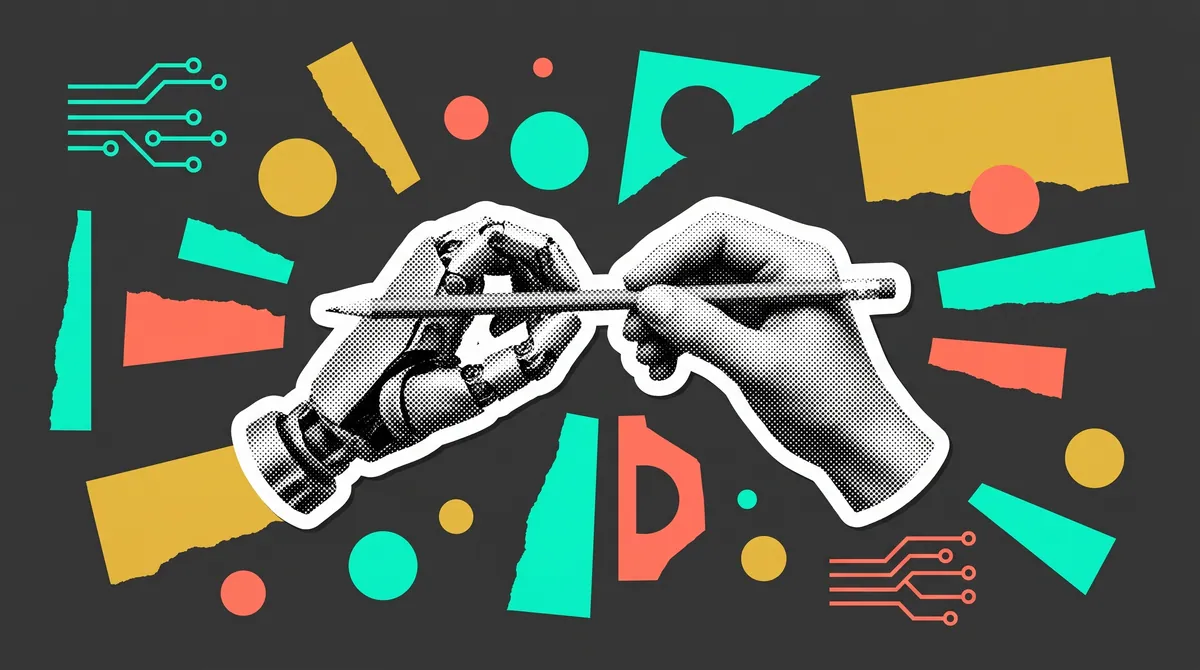
AI has made it faster to see fifty rough versions of an idea. It has not made it any easier to know which one is worth keeping.
Walk into a creative brainstorm today and there is a real chance someone is holding a laptop open to an AI image generator, typing rough descriptions of a scene the team is still only half agreed on, watching a visual reference appear in seconds that would have taken a mood-board researcher half a day to assemble a few years ago. That single change has quietly altered the texture of the room itself.
Making the vague suddenly visible
One of the most immediate uses of AI tools inside a creative room is turning a half-formed verbal description into something the whole team can actually look at and react to. A writer describing a visual idea they cannot quite articulate can now generate a rough approximation of it on the spot, giving a designer or art director a concrete starting point to refine rather than a purely verbal brief to interpret from scratch.
Speeding up the boring middle of the process
Much of what AI tools have actually sped up inside the room is not the spark of the idea itself but the unglamorous middle stretch that used to consume days: sourcing reference images, drafting rough copy variations to react to, mocking up how a headline might sit against a visual before committing real production time to it. Compressing that middle stretch means more of a limited project timeline can be spent on judgement and refinement rather than assembly.
AI has made it faster to see fifty rough versions of an idea. It has not made it any easier to know which one is actually worth keeping.
The risk of everyone converging on the same look
A less discussed effect is that tools trained on similar data, prompted with similar instincts, can nudge different teams across different agencies toward visually similar outputs, a specific glossy, over-lit aesthetic that has already become recognisable and slightly tired in certain categories. Teams that lean on AI-generated visuals without pushing the tool toward something more specific to their own brand risk producing work that looks competent but generic, indistinguishable from a dozen other brands using the same default settings.
Where human judgement still has to lead
Even inside a room that uses these tools constantly, the actual decision about which rough idea is worth developing, and why it fits this specific brand and this specific brief, remains a human judgement the tools cannot make. The tools have changed how quickly a room can see options. They have not changed the underlying skill of knowing, among dozens of quickly generated possibilities, which one is actually saying something true and specific rather than merely looking impressive on first glance.
The room's real advantage over the tool
What a creative room still offers that no tool can replicate is the argument: the moment someone in the room says an idea does not feel honest for this brand, or pushes back on a generated option because it misses the actual insight the brief was built on. AI tools have accelerated how fast a room can generate and see raw material. The judgement that turns that raw material into something worth making still happens exactly where it always did, in the disagreement and refinement between people who understand the brand better than any tool trained on the wider internet ever could.