How The Vertical Frame Became The Default
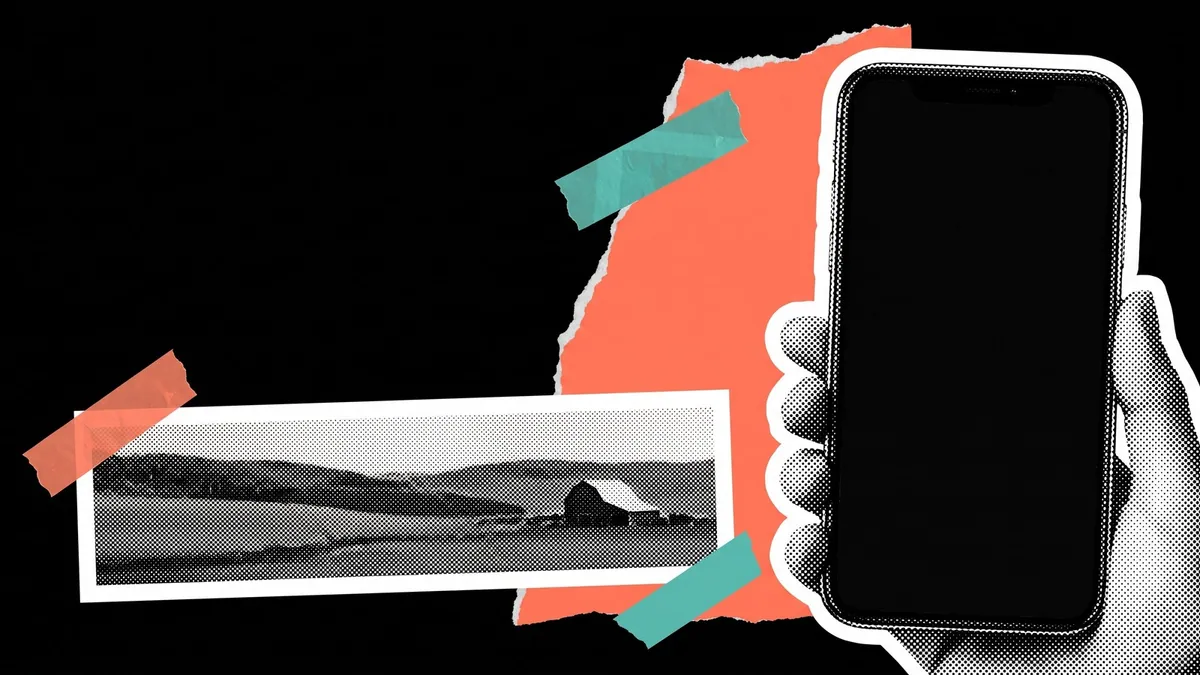
Look at a storyboard from five years ago and the film is wide, with a note at the bottom about social cutdowns. Look at one from this year and the order has reversed.
The vertical frame is no longer an output. It is where most campaigns are now conceived, and that changes the work long before anyone reaches an edit suite.
What the vertical frame does to an idea
It removes the wide establishing shot, which is where advertising traditionally put context. No landscape, no room, no crowd. The frame holds a face, a product, or a pair of hands, and very little else at a size anyone can read.
Ideas that depend on a reveal in the background stop working. Ideas that live on a face get better.
Where the decision actually gets made
At the storyboard, not on set. A film shot wide and cropped upright loses its own composition, and a film shot upright and widened has empty space on both sides. Teams now pick the native frame in the room and treat the other as the adaptation, with its own boards.
Platforms have pushed this steadily. YouTube brought Shorts into the same surface as long form, which ended the idea that vertical was a separate, lesser format.
What it costs in production
Usually a second setup rather than a second shoot. The honest version is two passes on the same day with the same cast, boarded separately, which is cheaper than a crop and looks like neither compromise.
What has not changed
Sound. A vertical film is watched close, often without headphones, frequently without audio at all in the first seconds. The frame got narrower and the opening got harder, because the film has to work silent and then reward the viewer who turns it on.
The frame is a constraint like any other. The teams doing it well stopped apologising for it and started writing for it.
More from Creative Room.