DMRC Warns Creators Against Sticking Phones To Moving Metro Trains
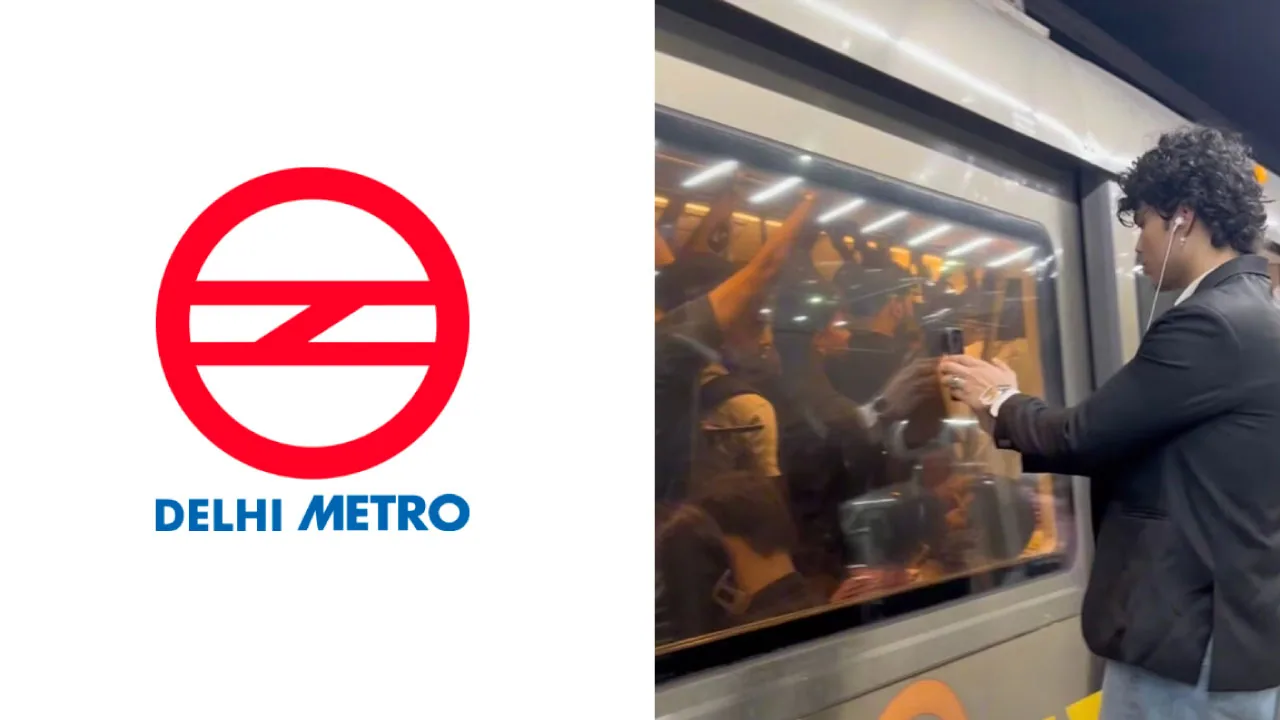
DMRC has warned social media creators against a trend that involves sticking a mobile phone to the window of a moving Metro train to capture cinematic footage, citing passenger safety and possible damage to the devices.
Authority: Delhi Metro Rail Corporation
Trend: attaching a phone to a train window to film the train pulling away
Scale: one video by Delhi based creator Nikhil Kochar reportedly crossed 135 million views
Stated concerns: inconvenience or injury to other passengers, and damage to the phones
Consequence: DMRC says necessary action will be taken against creators caught filming such videos
What The DMRC Advisory Covers
The format is specific enough that the corporation described it directly. "The Delhi Metro Rail Corporation has noticed that some social media content creators are pasting their mobile phones on the Metro train windows and shooting videos with the moving train," it said in a statement on Instagram.
The shot usually involves a creator posing or dancing on the platform as the train starts moving, then appearing to run after it, producing the impression that the phone has been left behind. Pulling it off generally needs a second person inside the coach to recover the device. DMRC said the practice could cause inconvenience or even injury to other passengers and could damage the phones, and directed creators not to film such videos within Metro premises.
Why This Keeps Happening On The Metro
Because the setting does half the work. A moving train gives a creator motion, depth and a hard cut for free, which is why the format spread across Instagram once a Delhi based creator's version reportedly crossed 135 million views and others began replicating it.
It is also not the first time the corporation has had to intervene. In September 2025 DMRC began making announcements across the network warning commuters against shooting reels, dance videos and other content inside trains, saying such activity could inconvenience fellow passengers and could attract penalties under existing provisions dealing with nuisance. The pattern is now familiar: a public space becomes a set, the format scales faster than any rule can be written, and the operator ends up issuing an advisory after the fact. More news.