Pelki Tshering, Tanishq's CMO on Keeping a Legacy Brand Honest
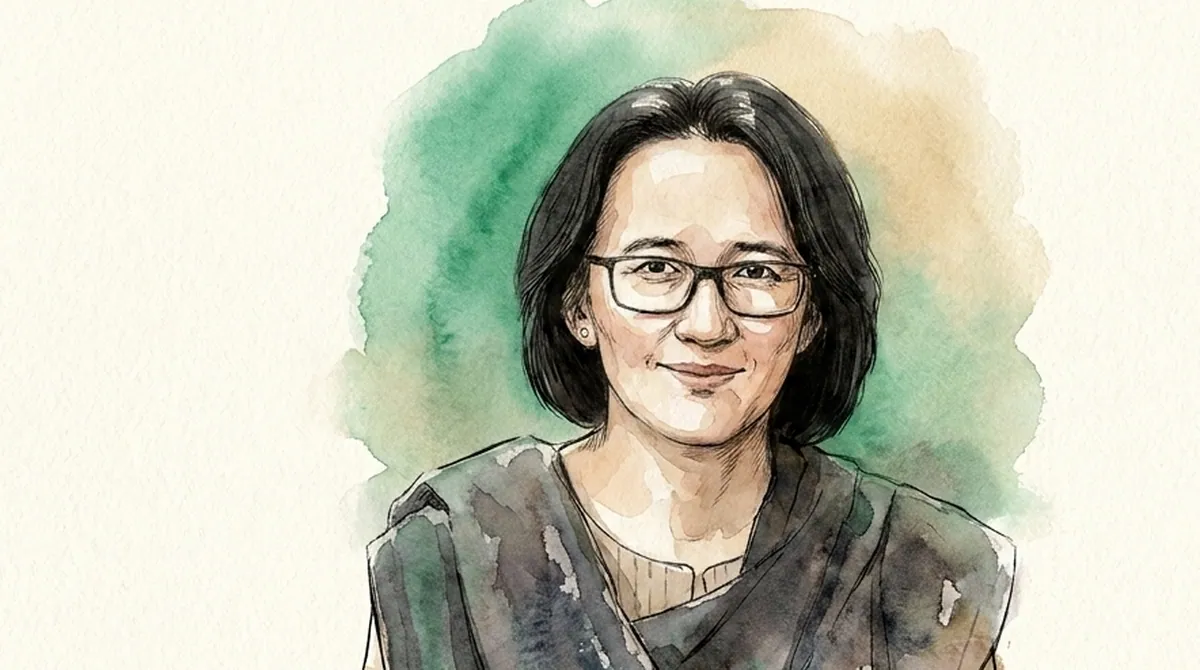
Tanishq's chief marketing officer isn't building a brand from scratch. She's keeping a fifty-year-old promise credible for a customer who has changed.
Most of the names in this series built a brand once, over a career, and are remembered for the shape they gave it. Pelki Tshering is doing something narrower and arguably harder: keeping a fifty-year-old brand promise believable to a customer whose life looks nothing like the one Tanishq was originally built for.
From fizzy drinks to fine jewellery
Tshering's path to Tanishq did not run through jewellery at all. She spent close to two decades in marketing, innovation and strategy roles before joining Titan, starting at The Coca-Cola Company, where she worked on the non-carbonated beverages portfolio, including Limca and Kinley. She then moved into the Tata Group, spending roughly a decade there across two very different assignments: leading innovation at Tata Global Beverages, where she is credited with launches including Tata Cha and Tata Coffee, and later serving as vice president of business strategy for Expressions, the food and beverage arm of the Indian Hotels Company, across South Asian and international markets. She holds an MBA from the Faculty of Management Studies, University of Delhi. That range, packaged goods, beverages, hospitality strategy, before jewellery, is itself a useful data point about what large Indian companies now look for in a CMO: category-agnostic marketing judgment rather than category-specific apprenticeship.
The campaigns she is known for
As Tanishq's chief marketing officer, Tshering has been the public face of several recent brand moves rather than a single signature one. The most visible is "Embrace the Nav-raani in you," the 2024 festive campaign that marked filmmaker Mira Nair's debut directing an Indian advertisement, built around the idea of contemporary Indian women as modern queens balancing tradition and multiple roles. She has also led the marketing push behind Hues, Tanishq's natural gemstone collection, treating it as a category the brand needed to educate customers into rather than simply sell, with dedicated styling guidance and outdoor advertising alongside television and digital. Under her, Tanishq has publicly discussed raising advertising and promotional spend by 18 to 20 percent in a single festive quarter, doubling digital ad spend year on year, and investing in AI-assisted personalisation and targeting drawn from its loyalty data.
Selling trust and adornment to a woman who has changed
Tanishq's original positioning, purity and craftsmanship at a time when Indian jewellery retail ran mostly on unbranded trust in a local goldsmith, still sits underneath everything Tshering does. What has shifted is the customer she is writing to. In interviews she has described the brief as still, ultimately, the modern Indian woman, but one now buying gemstones for herself rather than only gold for a wedding chest, expecting regional nuance in how a campaign speaks to Chennai versus Kolkata, and increasingly meeting the brand through a phone screen before she meets it in a store.
Maintaining a legacy brand's promise is not the same skill as inventing one, and it shows up less in a single campaign than in how consistently a brand keeps its oldest customers while it visibly chases new ones.
What is genuinely hard to judge yet
Tshering's tenure is recent enough that the honest assessment is incomplete. Unlike Xerxes Desai or Bhaskar Bhat, whose full body of work at Titan and Tanishq is now decades deep and settled history, her record so far is a handful of festive campaigns and category pushes during a period of unusually volatile gold prices, when affordability messaging matters as much as brand storytelling. Whether Hues or the Nav-raani platform become the kind of category-defining work Tanishq is known for, or simply solid seasonal marketing, is not yet something the record can answer.
The lesson in managing, not just making, a brand
Tshering's version of brand building is the version most working marketers actually practice: not founding something new, but keeping an inherited promise honest as the audience, the channels and the price of gold all move under it at once. That is a less romantic story than a founder's origin tale, and a more common one.