The Creator Brief: What Brands Get Wrong Before the Content Is Made
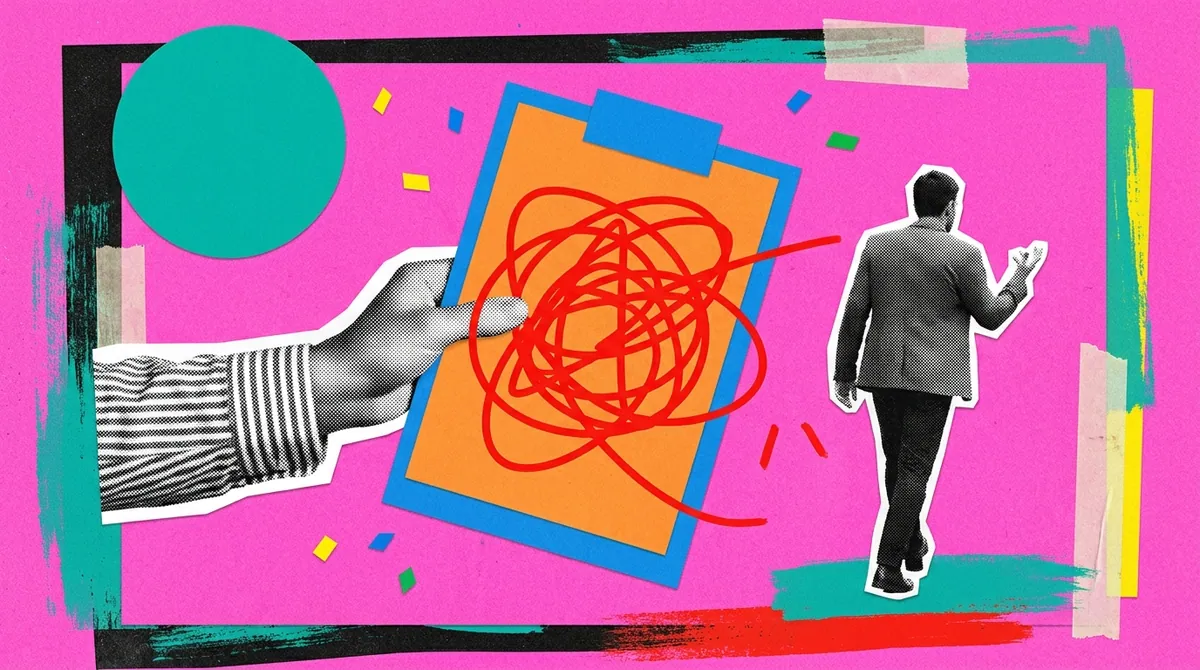
Most influencer campaigns fail long before anyone films anything. They fail in the creator brief. What brands get wrong before the content is even made.
Most influencer campaigns fail long before anyone films anything. They fail in a document. The brief, the thing a brand sends a creator before a single frame is shot, is where the whole campaign is quietly decided, and it is where brands make the mistakes they later blame on the creator, the algorithm or the audience. Get the brief wrong and no amount of production saves it. Get it right and a mediocre budget outperforms a lavish one.
The identical-brief problem
The most common mistake is the copy-paste. A brand writes one mandate, sends it to fifteen creators, and gets fifteen versions of the same video, with the same talking points, the same format and the same flatness. The whole reason to hire a creator, which is that their audience trusts their particular voice, is erased the moment every creator is handed the same script. As the stylist Amrita Thakur has put it, when brands send the same mandate to fifteen creators and everyone ends up doing the same video, the story gets lost. She turns down roughly seven of every ten offers she receives, most of them because the brief is overstuffed, asking her to feature several products, styled for every possible occasion, inside sixty seconds.
Control down to the wardrobe
The second mistake is control, and it is usually well-intentioned. A nervous brand tries to make the video safe by dictating everything, sometimes down to the clothes the creator wears and every line they say. Creators describe this as being asked to turn their channel into an ad, which is exactly the thing their audience learned to tune out. The tighter the control, the more the content reads as an advertisement wearing a creator's face, and the audience, now very good at spotting this, scrolls past. The counterintuitive truth is that the safest-looking brief produces the least effective content.
Brief the outcome, not the script
The brands getting this right have inverted the logic. Instead of scripting the execution, they set the goal and hand the storytelling back to the creator. Reliance Ajio is a documented example, having moved away from fixed-cost, fully-scripted mandates toward creator-owned scripts tied to conversion. Its chief marketing officer, Arpan Biswas, puts the principle as plainly as anyone: "if you don't allow the creator to go with their own script, how is it going to look genuine?" The brief still exists, but it constrains the non-negotiables, which are the claims, the disclosures and the brand-safety lines, and leaves the actual telling to the person who knows the audience.
Cast for fit instead of assigning briefs
Underneath the bad brief is usually a bad match. Dentsu's creator research found that around sixty percent of marketers have been unable to identify creators who genuinely fit their brand, which is the real reason so many campaigns underperform. The remedy is not a better script sent to the wrong person. It is casting, treating each creator as a distinct role with its own strengths and audience rather than an interchangeable slot to be filled with a uniform mandate. A good brief starts by admitting that a finance educator and a comedy creator cannot be handed the same page.
Trust scales, awareness does not
The deepest error the brief encodes is optimising for the wrong outcome. A brief written to maximise reach treats the creator as a billboard, but reach is not the mechanism that sells. As Vimarsh Razdan of the creator firm Underneat frames it, a creator will give you a jump-start, but scale is not possible with awareness, scale is possible with trust. A brief built around a creator's credibility and their real relationship with an audience is buying the thing that actually converts. A brief built around their follower count is buying the number that looks best in a deck.
So the document matters more than the shoot. Write it to control every line and you get an expensive advertisement nobody believes. Write it to protect the creator's voice, cast the right person, and measure trust rather than reach, and the content does the one thing brand videos almost never do, which is sound like it means what it says.
The campaign was always going to be won or lost in the brief. Most brands just do not realise the fight is over before the camera turns on.
Related on Ad Tribe
Advertisement