How Creators Became the New Media Channels for Brands
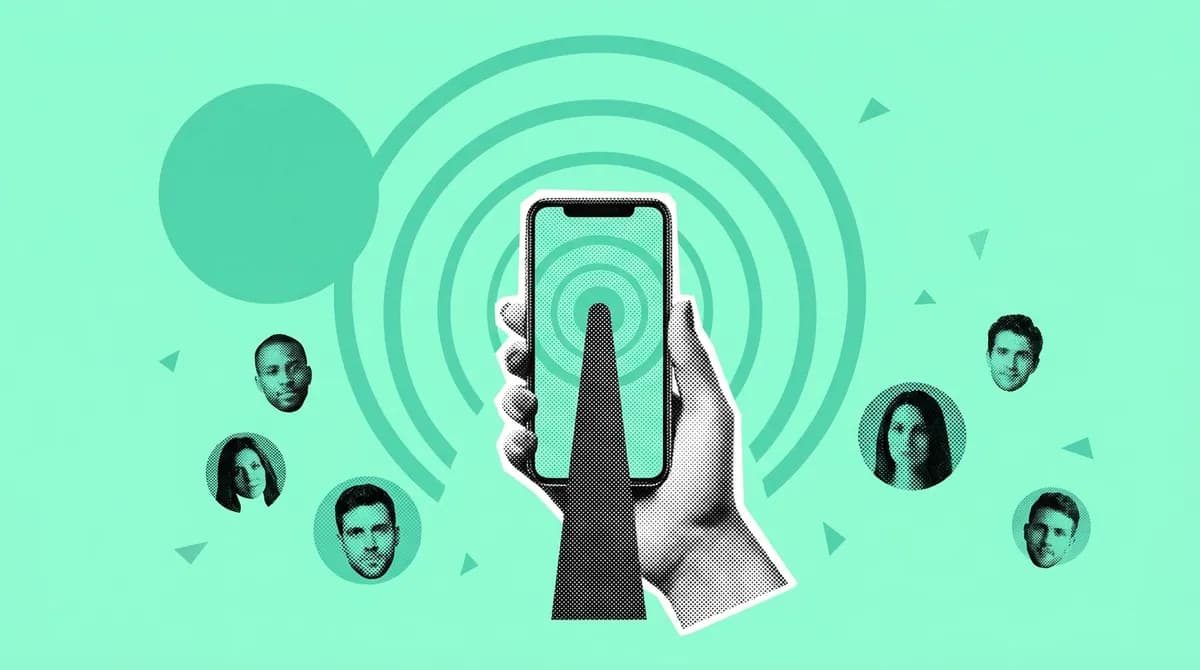
Brands used to buy space inside media that someone else owned. Now they buy access to audiences that creators built themselves. Creators became the media channels, and the power moved with them.
For most of advertising history, a brand's job was to rent attention from whoever had gathered it. A newspaper had readers, a channel had viewers, a studio had fans, and brands paid to place a message next to that audience. The audience never belonged to the brand, and it never belonged to the messenger either. It belonged to the medium.
Now the medium is a person
That arrangement is quietly coming apart, because a new kind of medium has arrived, and it is a person. India now has somewhere between two and two and a half million monetised digital creators, and by one Boston Consulting Group estimate their recommendations already sway around 350 billion dollars of annual consumer spending. The money is following them. Depending on which report you read, India's influencer-marketing spend was worth a few thousand crore in 2024 and is climbing at double-digit rates every year. A creator with a loyal audience is no longer a billboard the brand rents. The creator is the channel.
Viraj Sheth, who co-founded the creator company Monk Entertainment, describes the shift in plain terms.
Ad budgets are moving and discovery is no longer dependent on movies or television. The audience decides that now.
Neel Gogia, who runs the influencer agency IPLIX Media, has said much the same about where this is heading, predicting that over the next decade the creator would become a major distribution channel for brands, not a novelty line item.
From a one-off post to permanent infrastructure
You can see the model hardening from a one-off post into permanent infrastructure. When the broker Upstox wanted to reach first-time investors, it did not just book an ad with the finance educator CA Rachana Ranade. It became the presenting sponsor of her touring Har Ghar Investor live show, a recurring roadshow that moved city to city through 2024 and 2025. That is not an endorsement. That is a brand plugging into a creator's channel as a standing route to an audience.
The tech world runs the same play. Trakin Tech, Arun Prabhudesai's Hindi gadget channel, has become a launch pipeline that smartphone brands feed every cycle, a permanent piece of media rather than a single review. When realme launched a flagship phone, it handed the tech YouTuber Gaurav Chaudhary, Technical Guruji, a hosting slot on realme's own channel alongside Shah Rukh Khan. The creator was not a face in the brand's ad. He was the presenter of the brand's media.
When the creator becomes the brand
Some creators have taken the logic to its conclusion and become the brand outright. Bhuvan Bam turned BB Ki Vines into a storefront by building his apparel label Youthiapa so that subscribers could shop directly beneath his videos. The finance educator Sharan Hegde converted his audience into a licensed advisory business, the 1% Club, rather than renting that audience to someone else. And at platform scale, Dream11 lined up around a hundred creators to anchor live watch-along streams for the IPL, making creators the actual programming of the product. Nykaa has done the institutional version, wiring more than ten thousand creators into an always-on affiliate engine now linked to YouTube Shopping, so that inspiration and purchase sit in the same video.
The catch brands break most often
None of this is free of friction, and the finance category shows why. After a wave of unregulated stock tips, the market regulator SEBI moved through 2024 to bar its licensed intermediaries from associating with unregistered financial influencers, forcing brands and creators alike to choose between genuine education and casual advice. That is what pushed someone like Hegde toward owning a licensed entity instead of simply cashing endorsement cheques. The channel is powerful enough now that regulators treat it like one.
There is a subtler catch, and it is the one brands break most often. A creator works as a channel precisely because the audience trusts the creator's voice, not the brand's. The moment a brand scripts that voice into a corporate read, it stops being a channel and goes back to being an ad, and the audience feels the switch instantly. The whole value of the medium is that it does not sound like the brand. Buy the reach and gag the voice, and you have paid a premium for the thing you just destroyed.
The audience decides now
The brands winning here have understood that a creator is not a media buy that happens to have a face. A creator is media, with a relationship the brand could never build on its own. Treat that as a one-night placement and it behaves like one. Treat it as a channel, protect the voice, and stay for years, and it behaves like distribution.
The audience decides now. The brands that grasp that are not renting creators. They are building on them.