Old Monk: The Brand That Stayed Alive Without Advertising
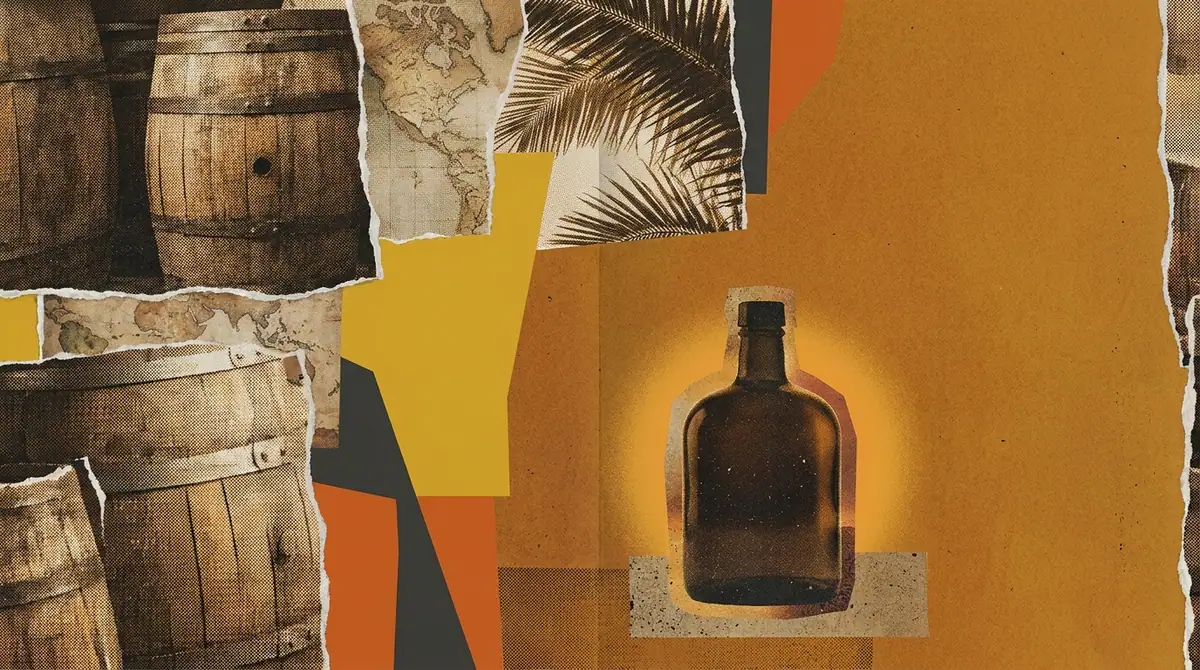
Old Monk survived for decades on word of mouth and affection alone. How authenticity became a moat money cannot buy.
Old Monk is the rare brand that stayed culturally alive for decades with almost no advertising at all. The dark rum, with its squat bottle and loyal following, was passed down like an inheritance, its status built entirely on word of mouth, ritual and affection rather than marketing spend.
The quiet challenge
Old Monk's story is not a dramatic fall but a slow test of relevance. As the spirits market flooded with slick new brands, aggressive marketing and premium imports, a brand that never advertised risked being loved by an ageing base and ignored by a new generation. Loyalty is powerful, but loyalty alone can quietly shrink.
The comeback
Old Monk's persistence is its comeback. It has survived on genuine cultural equity, the sense that it is authentic, unpretentious and yours, in a market where everyone else is shouting. Its revival, such as it is, rests on that authenticity being rediscovered by younger drinkers precisely because it does not try too hard, along with product extensions to stay present on shelves.
Why it matters
Old Monk is a fascinating counterpoint to every other brand on this list, most of which came back through deliberate, well-funded relaunches. Old Monk shows that deep, earned cultural affection can keep a brand alive through decades of neglect, and that in an over-marketed category, the brand that never sold hard can read as the most genuine.
The lesson
Authenticity is a moat that money cannot easily buy or copy. Old Monk's refusal to chase trends became its identity. In a market of manufactured cool, a brand that is unselfconsciously itself, and has been for generations, holds an advantage the loud new entrants cannot manufacture.