What Nobody Tells You Before Your First Advertising Job
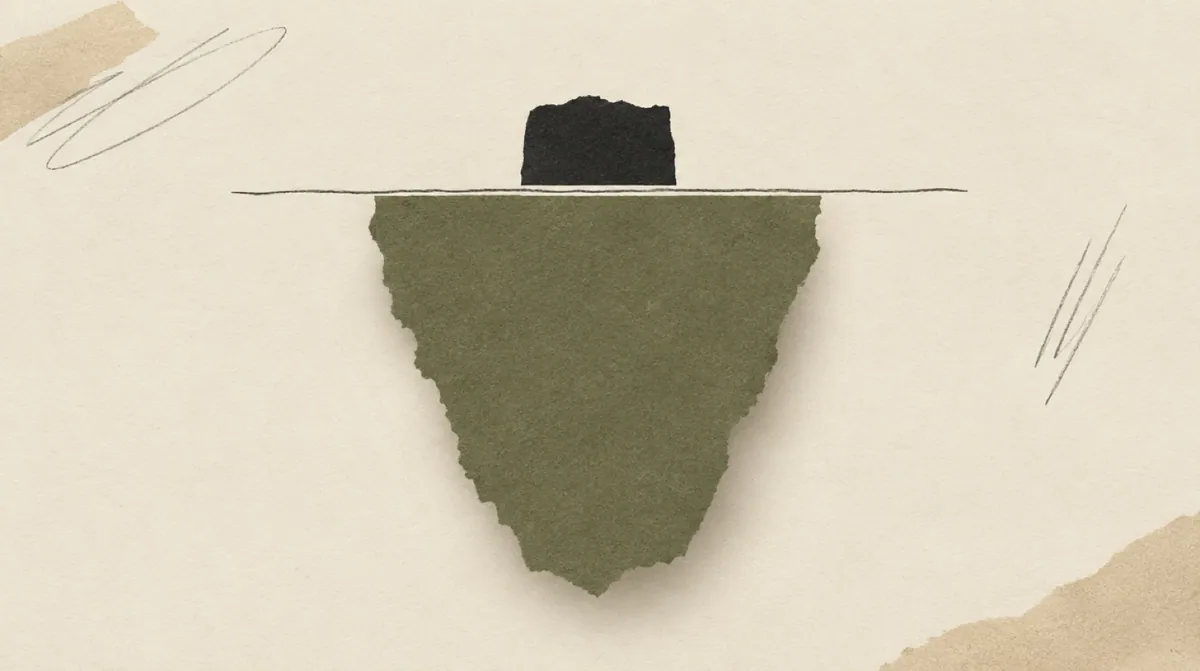
The portfolio got you in. It is also the last time your work will be judged on its own, in silence, by someone with nothing else on their desk.
Inside an agency, work is judged in a meeting, at speed, next to three other things, by people carrying opinions from a different conversation. That is not unfair. It is simply a different test from the one the portfolio school prepared you for, and nobody warns you that the test has changed.
The three things that go unmentioned
The first is that most ideas die for reasons that have nothing to do with quality. Budget moved. The client changed the ask. Somebody senior promised something in a meeting you were not in. Taking those deaths personally for a year is the most common way a promising first year becomes a miserable one.
The second is that presenting is part of the craft, not an add-on to it. A good idea explained badly loses to an average idea explained well, every single time, and nobody is coming to correct that injustice on your behalf.
The third is that the person who decides how your first year goes is usually not the creative director whose name drew you to the agency. It is whoever sits nearest and answers your questions.
Learning still happens by proximity
Deloitte's India research found 94 per cent of Gen Z respondents value hands-on learning at work, which in agency terms means the only real training on offer is being in the room. That makes the seating plan a career variable, which sounds absurd until you have watched two equally talented juniors diverge because one of them sat next to a person who thinks out loud.
Nobody tells you that your first year depends less on the work you make than on the rooms you are allowed into.
What to do with the information
Ask to sit in on things you are not staffed on, and ask about finished work rather than live work, because nobody has time to narrate a job that is on fire. Keep a note of what surprised you in month one, since by month six you will have absorbed those assumptions and lost the ability to see them.
And take the dead ideas out of the drawer occasionally. A killed idea is not a failed one, and the reasons it died are the closest thing the industry has to a syllabus.
More on Ad Tribe Work Life.