What Makes a Strong Awards Case Study?
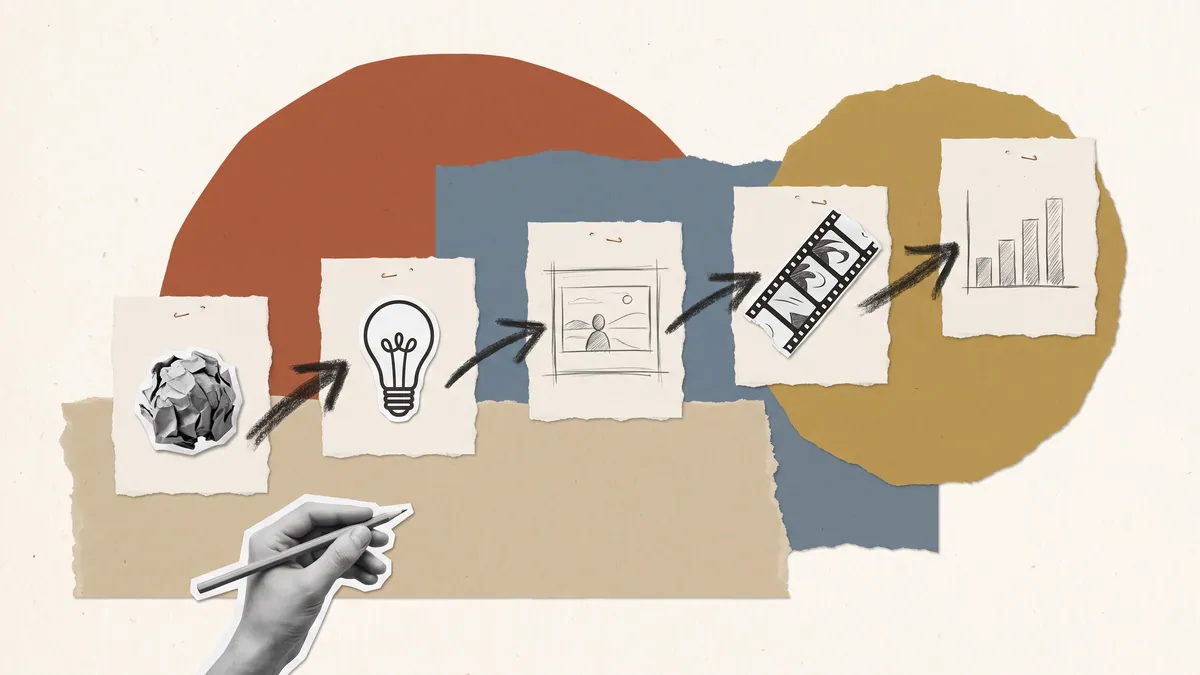
Jurors do not see the work the way its audience did. They see it on a screen, often late in the evening, as one entry among many. What they know about it is what the entry tells them. That is why an awards case study matters as much as it does: it is the only version of the work a jury will ever experience.
A strong one does not need to be long or expensively produced. It needs to answer, clearly and in order, the questions a juror is already asking.
Start an awards case study with the problem
The opening of an awards case study should tell the juror what was at stake for the brand. What was the business or communication challenge? Why was it hard? A clear problem makes every later decision feel earned. An entry that opens with the agency's philosophy, or with a montage before any context, asks the juror to care before they understand.
Make the insight the turning point
The insight is where the story turns. It should be one sentence a juror could repeat to a colleague: a truth about the audience that the brand had not used before. If the insight could apply to any brand in the category, it is not doing its job. The best entries make the idea feel inevitable once the insight has been stated.
Explain the idea in a line, then show it
If the idea cannot be explained in a sentence, the jury will struggle to hold it in their heads while scoring. State it simply, then let the execution section show how it came to life across channels, with the detail that shows craft and ambition. Pick the moments that matter rather than listing everything the campaign produced.
Be precise about results
Juries have become very good at reading results, and very sceptical of vague ones. Tie every result back to the objective set at the start. Say where each number came from, and be clear about what was sourced, what was measured and what was claimed. A modest, well-evidenced result is more persuasive than a large, unexplained one. Supporting evidence, even a single page, strengthens any entry that claims effectiveness.
The case film: short, clear, human
For most entries, two to three minutes of case film is plenty. The film should follow the same order as the written entry: problem, insight, idea, execution, result. Let the work speak where it can, keep the voiceover plain, and resist the temptation to fill the silence with statistics. Captions help, because not every juror will watch with sound.
How the Ad Tribe Awards - South entry form is built
For Work and Campaign entries, the form follows the same logic, with word limits that keep each section focused: Context and Challenge (250 words), Audience and Insight (250), Strategy (300), Creative Idea (250), Execution (350), Results and Impact (350), Why this deserves recognition (150), and South-led contribution (150). Alongside it sit a key visual, the case film, a case board of around ten pages at most, supporting images and links, and results evidence.
Read your entry back as a juror would. If a stranger could explain the problem, the insight, the idea and the result after one reading, the case study is ready.
Ad Tribe Awards - South 2026 is open for entries. Explore the categories and start your entry at adtribe.world/events/awards-south. Enter before 30 September to secure the early-bird rate. Entries close 15 November 2026.