The Future of Brand Communities in India
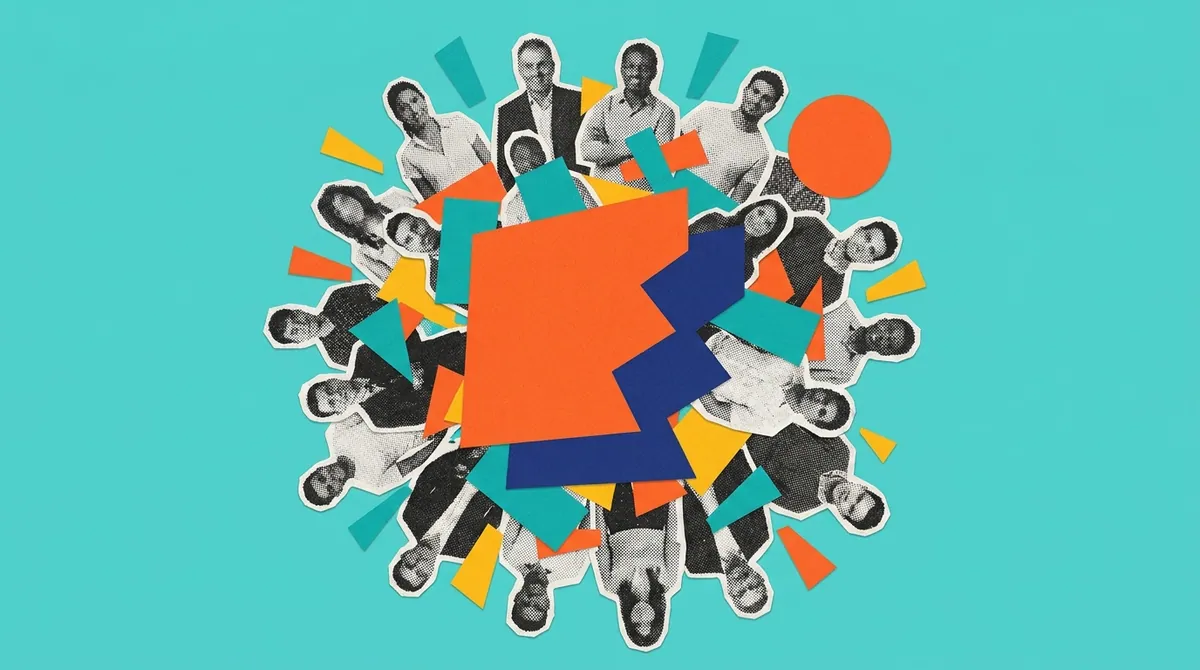
For most of history, a brand's audience belonged to someone else. The scramble to own it directly, and where the future of brand communities in India is heading.
For most of advertising history, a brand's audience belonged to someone else. It sat inside a television channel, a newspaper, a platform, and the brand rented access to it whenever it had something to sell. The most important shift in Indian social-first marketing is the attempt to end that dependence, to own the audience directly by building a community, a group of people who follow the brand not because an algorithm served them an ad but because they chose to belong. Where that shift goes next will decide which brands have a durable audience and which are permanently renting.
From followers to members
A follower is a number. A member is a relationship. The brands furthest along this path have worked hard to turn the first into the second. boAt built an entire identity around its "boAthead" community, a self-described tribe millions strong, held together by a shared name, a branded hashtag and the feeling of being an insider rather than a customer. SUGAR Cosmetics built its growth on a standing community of a thousand-plus creators and superfans whose content populates the brand's own feed, so that the brand's marketing is, in large part, its community talking. Nykaa institutionalised the idea, wiring more than ten thousand creators into an always-on affiliate ecosystem that behaves like a distributed, self-renewing community of sellers and advocates.
The warning from inside
The brands that do this well are unusually clear that a community is not a performance-marketing channel to be squeezed. SUGAR's co-founder Vineeta Singh has cautioned that brands should not mistake influencers and the brand's community as performance-marketing channels, precisely because the moment you treat a community like a media buy, you kill the thing that made it valuable. A community tolerates being sold to occasionally the way a friend tolerates a favour. Ask too often and the relationship curdles into a transaction, and the audience you thought you owned quietly leaves.
Why communities are the real asset
The strategic logic is about ownership. Reach bought on a platform disappears the moment you stop paying and shifts every time the algorithm changes. A community is first-party, durable and, increasingly, the only audience a brand genuinely controls. It compounds instead of resetting, it produces content the brand did not have to make, and it provides the honest, real-time feedback that used to cost a fortune in research. In a market where the cost of buying attention keeps rising, an owned community is the one line on the marketing budget that appreciates rather than depreciates.
Where it is heading
The future of brand communities in India points away from the open feed and toward more intimate, owned spaces. The broadcast platforms are crowded and rented, so the deeper community activity is migrating to places the brand controls more directly, group chats, closed forums, membership tiers, spaces where members talk to each other and not just to the brand. The direction of travel is from a large audience the brand shouts at, toward a smaller one that talks back and brings others in. That is slower to build and far harder to fake, which is exactly why it will separate the brands with real equity from the ones with big follower counts and no loyalty underneath.
The discipline it demands
Building a community is not a campaign with an end date, and that is the part most brands find hard. It demands showing up consistently when there is nothing to sell, rewarding the members who show up for you, and resisting the constant pull to monetise the relationship before it is ready. The brands that succeed treat the community as a long-term asset to be tended, not a list to be harvested. The ones that fail run a great community for two quarters, discover it does not deliver a quick sales number, and starve it.
The prize is worth the patience. A brand with a real community does not have to rent its audience back every time it wants to speak, because the audience already chose to stay. In a decade defined by the rising cost of attention, that may be the most valuable thing a brand can build, and the hardest.