Why Great Creatives Do Not Always Make Great Managers
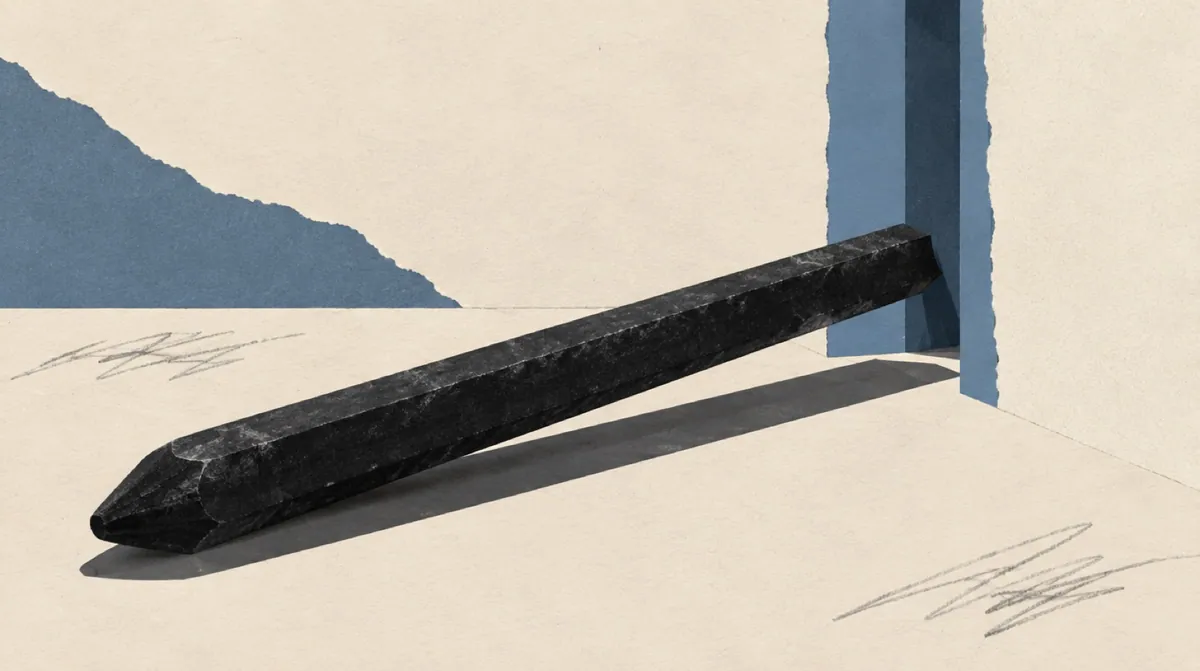
The industry has one reward for being excellent at making things, which is being asked to stop making them and look after the people who do.
This is not unique to advertising, but advertising has an unusually sharp version of it, because the promoted person's identity is bound up in the craft they are leaving. A creative director who has not made anything for two years is still, in their own head, a maker. The team experiences them as a bottleneck.
The two jobs are genuinely different
Making is solitary and ends in a thing. Managing is continuous and ends in nothing you can show anyone. The satisfaction arrives second hand, years later, in the form of somebody else's good work, and a person who needs the direct hit of having made something will not find it there.
The skills barely overlap. Taste does not transfer into the ability to give a note that leaves someone able to try again. Speed does not transfer into patience with a junior who is slower than you were.
Promotion in advertising takes the thing a person is best at and puts it in the part of the week that gets cancelled first.
Why the industry keeps doing it
Because there is nowhere else to put the money. A senior creative who does not manage has no obvious next rung, so the only way to pay them more is to give them a department. That is a design flaw in the ladder, not a failure of the person who climbed it.
Deloitte's 2026 India survey found 96 per cent of Indian Gen Z respondents interested in senior leadership, but only 9 per cent naming it as their primary career goal. The people below the promotion have already noticed what it costs.
What a second track requires
Not a title with "principal" in it and the same job. A genuine maker track needs the pay, the seniority in the room, and the right to be in the client conversation without carrying a headcount. Agencies that have built one keep their best craft people for years longer.
The rest keep promoting their strongest maker into a job nobody trained them for, then treating the resulting unhappiness as a personality problem.
More on Ad Tribe Work Life.