Tarun Mehta, Who Sold The Ride Before The Battery
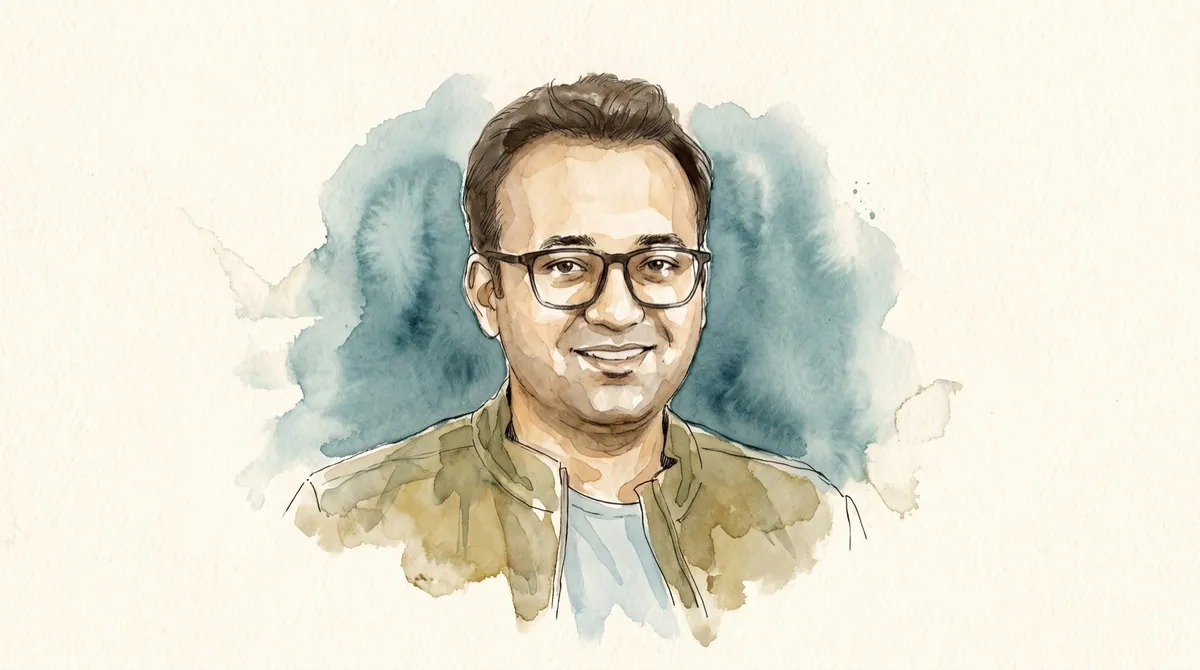
Electric vehicles were sold in India for years as a sacrifice. Slower, stranger, worthy. Ather was built on the view that nobody buys a scooter to feel virtuous on a Tuesday morning.
Tarun Mehta and Swapnil Jain, both IIT Madras graduates, founded Ather Energy in 2013 in Bengaluru, and built it into an electric two-wheeler manufacturer with its own charging network.
The decision to lead with the product
Ather's communication has consistently led with how the vehicle rides: torque, handling, the dashboard, the feel of it. The environmental benefit sits behind that rather than in front.
That is a straightforward positioning choice and it was contrarian at the time, when the category's advertising was built almost entirely on cost per kilometre and cleanliness.
Why the charging network was a brand decision
Building charging points is capital-intensive and unglamorous, and it was the only way to answer the one question every buyer actually had, which was whether they would be stranded.
A brand promise that depends on infrastructure somebody else has not built is not a promise. Putting the grid in was the marketing, even though it never looked like it.
The most persuasive thing the company ever made was not an advertisement. It was a charging point somebody had already seen on their route.
Selling to enthusiasts first
The early customers were people who cared about specifications and would argue about them in public. That produced slow initial volumes and an unusually credible set of advocates, which is a trade most consumer companies are too impatient to make.
Where the model is strained
Indian two-wheeler buying has always been decided at the service centre, over years, in small towns. A performance-led, metro-first brand has to prove itself in that world, and the company's next decade is mostly a distribution and service story rather than a product one.
What it demonstrated
That a new category does not need to be sold as a moral choice. It needs to be better at the thing people already wanted, and then the moral argument is free.