Radhika Ghai And The Long Tail Of Indian Retail
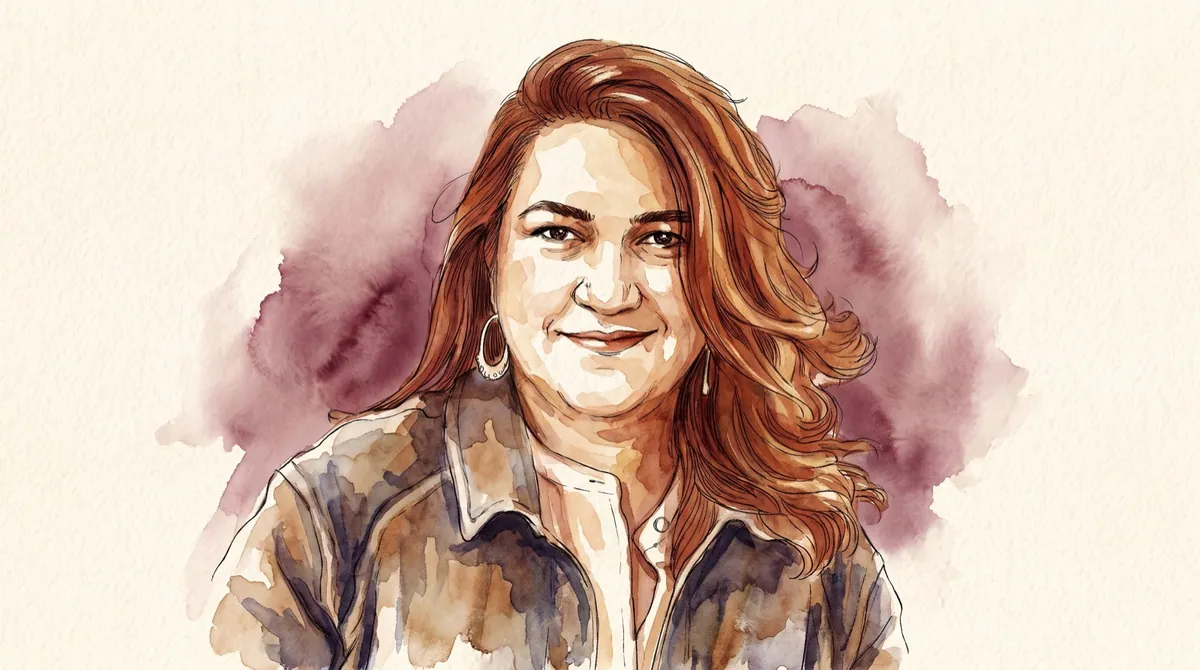
Indian ecommerce in the early 2010s was described as a battle between two or three large players. Underneath that story a different market was forming, made of unbranded goods, small towns and buyers for whom price was the entire proposition.
Radhika Ghai co-founded the online marketplace ShopClues in 2011, becoming one of the first women in India to co-found a company that reached unicorn valuation. ShopClues was acquired by Singapore's Qoo10 in 2019. She later founded Kindlife, a beauty and wellness platform.
What ShopClues understood about the market
That most of India was not shopping for brands. It was shopping for a functional item at a price, from categories that the premium marketplaces treated as low value: home goods, small electronics, utensils, unbranded fashion.
Serving that meant a different supplier base, different logistics economics and a different kind of trust problem, since neither the buyer nor the seller had a brand to stand behind.
Why the positioning was hard to advertise
Because the honest proposition, cheap goods for people who count the price, is one that marketing conventions push you to dress up. The platforms that grew fastest in that segment were the ones that did not apologise for it.
The hardest brand to build is the one whose customers are not flattered by the category they are shopping in.
The second company is the opposite bet
Kindlife goes after a narrow, high-intent audience in beauty and wellness, where the proposition is curation and suitability rather than breadth and price.
Moving from the widest possible market to a deliberately narrow one is an unusual second act, and it says something about where the founder thinks the next decade of Indian consumption sits.
The visibility question
Ghai's prominence as one of very few women founders at that scale in Indian ecommerce made her a permanent example, which is both a platform and a burden. It is worth noting how short that list still is.
What the industry underrates
The long tail is not a lesser market. It is most of the country, and the advertising industry still plans, casts and writes as though the metros are the audience and everywhere else is an expansion plan.