The Difference Between a Creative Idea and a Sellable Idea
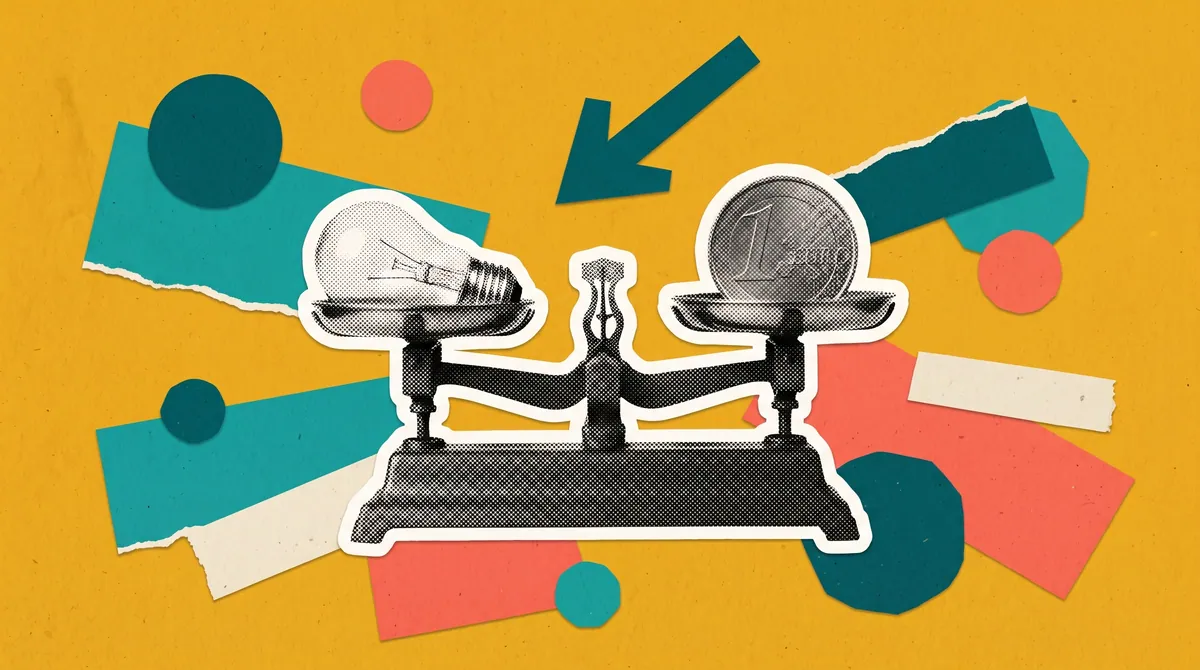
A creative idea has to be worth making. A sellable idea has to be possible to make, and possible to say yes to.
Inside an agency, there is a specific and slightly uncomfortable distinction that experienced creatives learn to make: the difference between an idea that excites the room and an idea that will actually survive contact with a real client, a real budget, and a real market. The two do not always overlap.
What makes a room fall in love with an idea
Ideas that generate the most excitement inside a creative team often share certain traits: they are unexpected, technically or conceptually ambitious, and satisfying to the specific taste of people who spend their careers immersed in advertising and culture. This internal excitement is genuine and often a good sign, but it is not, on its own, evidence that the idea will work for the actual audience the brand needs to reach.
What makes an idea sellable
A sellable idea has to clear a different, more practical set of hurdles: it has to be achievable within the client's real budget and timeline, defensible to a legal or compliance team, comprehensible to a client's internal stakeholders who were not in the brainstorm, and credible coming from this specific brand rather than feeling borrowed from a category the brand does not actually belong to.
A creative idea has to be worth making. A sellable idea has to be possible to make, and possible to say yes to.
Why the best ideas satisfy both
The strongest advertising typically satisfies both tests at once, but getting there usually requires deliberately pressure-testing an exciting internal idea against sellability early, rather than falling in love with something in the brainstorm and only discovering its practical problems once it is time to pitch. Teams that skip this early pressure-testing often end up either watering down a genuinely good idea under panic close to the deadline, or losing it entirely when a client raises an objection nobody inside the agency had bothered to anticipate.
The danger of over-indexing on sellability
The opposite failure is just as real. Teams that optimise too heavily for what will be easy to sell, avoiding anything that requires real conviction to defend, tend to produce safe, competent, and ultimately forgettable work. Sellability without genuine creative ambition behind it usually produces advertising that nobody objects to and nobody remembers either, which defeats the purpose of the exercise just as thoroughly as an unsellable idea that never makes it to air.
Learning to hold both tests at once
Experienced creative leaders develop the ability to hold both questions in mind simultaneously while an idea is still being shaped, rather than treating creative development and sellability as two separate, sequential stages. Is this a genuinely strong idea, and could I actually get a real client to say yes to it. Neither question, asked alone, reliably produces work that is both worth making and possible to make. Asked together, from the earliest stage of development, they tend to.
Related on Ad Tribe
Advertisement