How Influencer Marketing Moved From Awareness to Performance
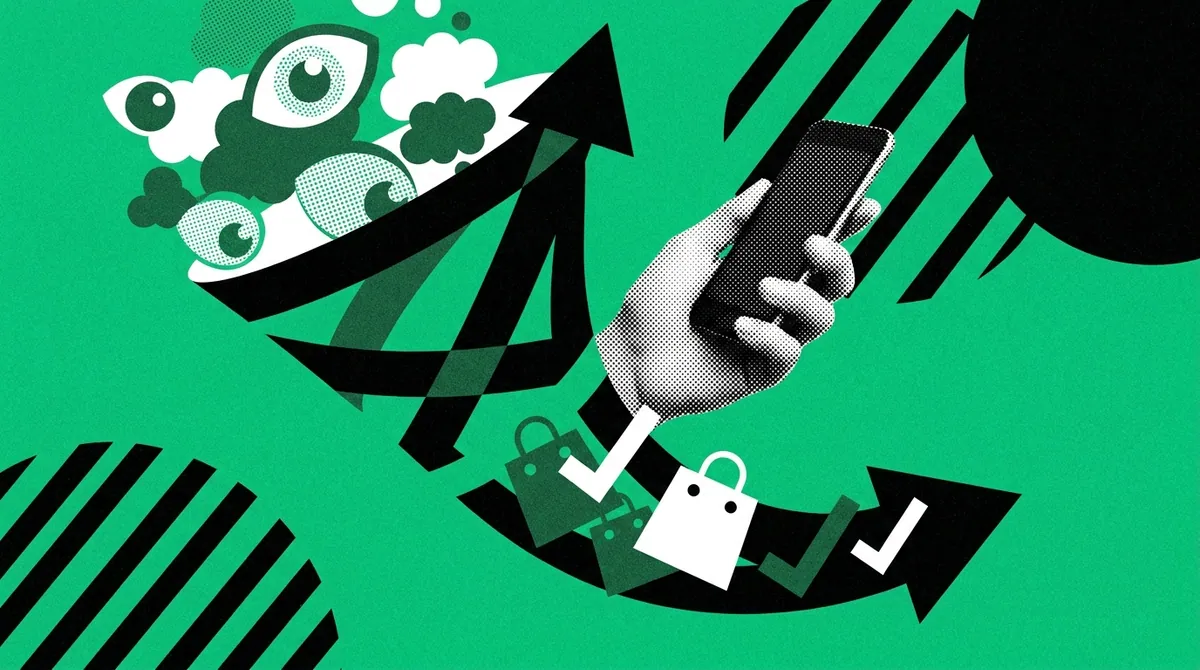
For most of its life, influencer marketing was sold on one promise: reach. Now India is dragging influencer marketing from awareness to performance.
For most of its short life, influencer marketing in India was sold on a single promise: reach. A brand paid a creator, the creator's followers saw the post, and everyone agreed that awareness had been created. Nobody asked the awkward question of whether any of it led to a sale, because the tools to answer it barely existed and the culture did not demand it. That era is ending. Influencer spend in India is being dragged, sometimes reluctantly, from a game of impressions to a game of outcomes.
From impressions to orders
The mechanical change underneath the shift is attribution. Creators are increasingly given unique affiliate links or personal discount codes, so that any sale routed through them can be traced back to that specific creator. Once a sale can be traced, payment can be tied to it. Some brands now compensate on a cost-per-order basis, where the creator earns per order actually driven rather than per post published, and others pay a commission on the value of sales they generate. The unit of value quietly moved from the view to the order, and with it the entire logic of the deal.
The affiliate economy
You can see the new model most clearly in commerce. Nykaa runs an affiliate programme with more than ten thousand creators generating hundreds of millions of impressions a month, structured around commissions rather than flat awareness fees. Meesho has leaned on creator videos as a direct conversion layer for its sellers, and Myntra runs affiliate structures open to creators that pay a percentage of each sale. These are not campaigns in the old sense, with a start and an end and a reach report. They are always-on performance channels, where creators function less like billboards and more like a distributed, commission-paid salesforce.
Brands are keeping score now
The clearest sign of the shift is that brands have started to hold influencer spend to the same standard as the rest of the marketing budget. Kofluence's research into the Indian market found that a meaningful share of brands, around fourteen percent, now tie influencer campaigns directly to formal revenue targets, and close to half apply performance accountability on at least some campaigns. The same research found that a large majority of brand professionals believe long-term creator partnerships deliver better return than one-off posts, which reframes creators as a recurring channel to be optimised rather than a media buy to be repeated. When a category starts talking about revenue targets and return, it has stopped being an awareness play.
What the practitioners are saying
The people running these agencies describe the change as a reckoning for vanity metrics. Sahiba Dhandhania, who heads the influencer agency Confluencr, argues that investment is shifting from reach-for-its-own-sake toward outcome-centric measurement, and puts the coming filter bluntly: "scale without signal will stop being impressive." That is the whole shift in six words. A million views that move nothing will no longer earn a place in the plan, because the plan can finally tell the difference between a view and a result.
The cautions worth keeping
For all that, honesty about the data matters, because the performance story attracts inflated numbers. Many of the most quotable figures, the exact cost-per-order rates, the precise commission percentages, the dramatic conversion lifts, come from agency case studies and affiliate-aggregator pages rather than audited brand disclosures, and they should be treated as indicative rather than proven. Market-size projections are report estimates, not settled accounts. And performance framing has its own blind spot, since a purely conversion-optimised creator programme can quietly stop building the brand at all, harvesting demand that awareness work created without replenishing it. Performance and brand are not enemies, and the smartest brands are learning to measure both rather than swinging entirely from one to the other.
Still, the direction is not in doubt. The question a brand asks a creator has changed from how many people will see this to what will actually change because this existed. That is a harder question, and a much better one, and it is the reason influencer marketing in India is finally growing up.
Related on Ad Tribe
Advertisement