What AI Does To The Creative Brief
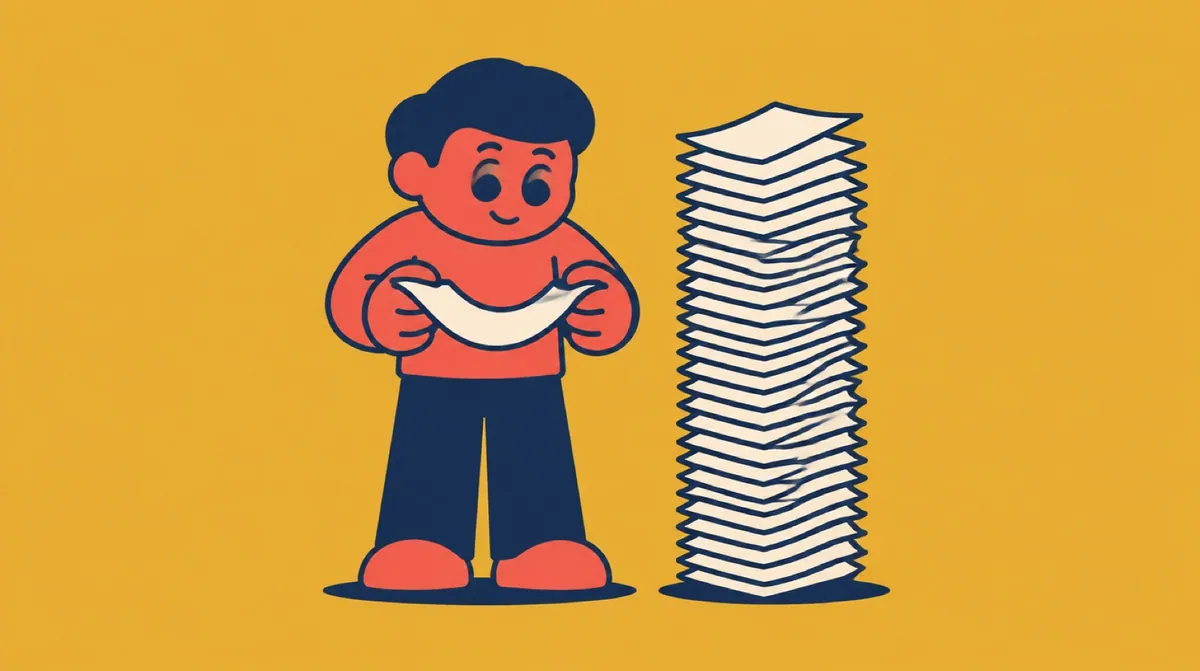
The creative brief was always the cheapest document in the building and the most expensive to get wrong. With execution now fast, it is the only part of the process that still takes as long as it used to.
For thirty years a weak brief could be absorbed. The team made three routes, one of them accidentally answered a better question, and the brief was quietly rewritten backwards to match. That repair worked because making the three routes took a fortnight and the thinking happened inside it.
Why The Creative Brief Now Carries More Weight
When a team can produce twenty directions in an afternoon, the brief is no longer a starting gun. It is the only filter. Twenty answers to a vague question are less useful than three answers to a sharp one, because the reviewer has no basis on which to reject nineteen of them.
That is a change in where judgement sits. The judgement used to be applied late, in the review. Now it has to be applied early, in the writing of the problem, and most agencies have no habit of treating that as the senior job.
What A Brief Has To Contain Now
A real decision about who the work is for, stated narrowly enough to exclude somebody. A description of what the audience currently believes, which is the only thing a campaign can actually move. And a stated definition of what a good answer looks like, so the team knows when to stop generating.
What can be dropped is most of the middle: the market context that everybody already knows and the tone-of-voice paragraph that has been copied forward for four years.
An unclear brief used to cost two weeks. It now costs two hundred options and a review nobody can chair.
Who Writes It Is Changing Too
Strategy teams have spent a decade being asked to produce more decks, faster. The tools genuinely help with that part. The part they do not help with is deciding what the problem is, which is a judgement call made on incomplete information by somebody who is accountable for being wrong.
Agencies that treat the brief as an administrative step before the interesting work will find that the interesting work is now commoditised, and the administrative step was the value all along. The ones that put their best thinker on the brief rather than on the review are quietly ahead.
Related: what happens when clients get closer to the making.
More in The AI Shift.
Advertisement