How Agencies Can Be Transparent About Their Use Of AI
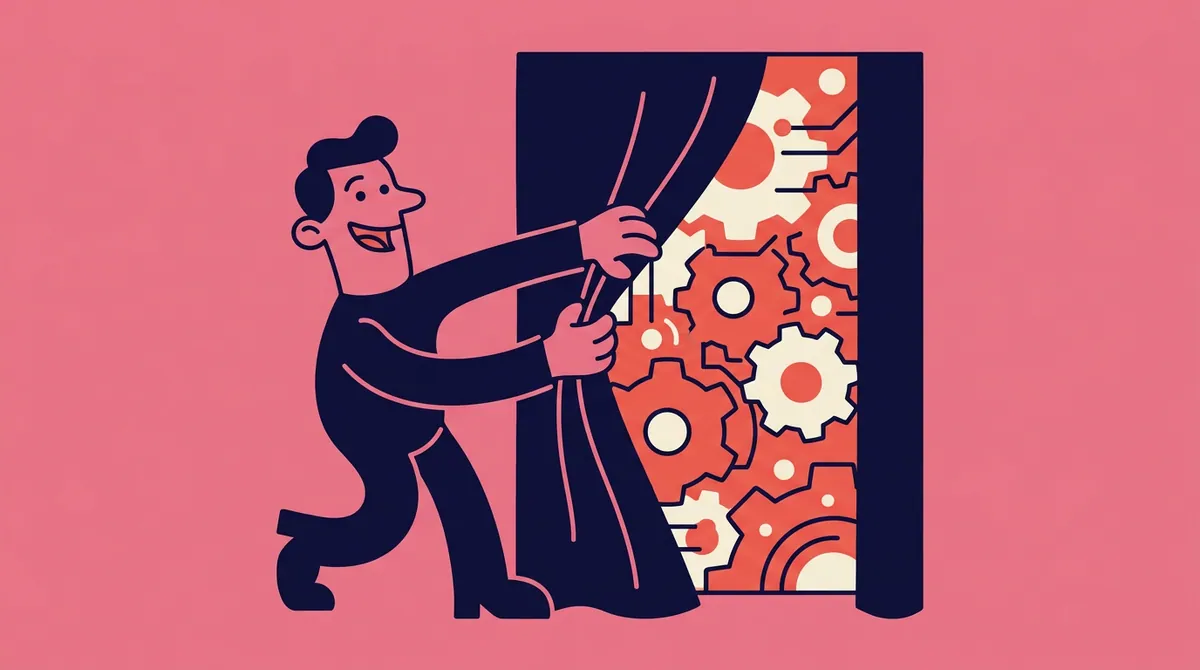
Clients are starting to ask a question agencies used to avoid entirely: where in this campaign did AI do the work, and where did a person actually make the call?
For a while, a lot of agencies treated their AI usage as something closer to a trade secret than a talking point, worried that admitting a tool helped produce the work would make clients question what they were paying for. That instinct is starting to backfire. Clients who suspect AI was used and were not told tend to trust the agency less than clients who were simply told upfront, because the second reaction is usually not about the technology at all. It is about being kept in the dark.
What clients are actually worried about
The concern underneath the transparency question is rarely "did a computer help make this." It is closer to "did anyone with real judgment actually look at this before it went out," a question that has always mattered and that AI has simply made more urgent to answer clearly. A client who knows exactly which parts of a campaign were AI-assisted and which parts had dedicated human strategic and creative attention can trust the finished work more, not less, because the answer removes the ambiguity that breeds suspicion.
Why vague reassurance makes it worse
Agencies that respond to the question with a generic "we use AI responsibly" without specifics tend to raise more doubt than they resolve, because vagueness reads as evasion whether or not that is the intent. A client who does not get a clear answer to a clear question reasonably assumes there is something the agency does not want to say, even when the honest answer would have been perfectly reasonable.
Clients aren't asking whether AI touched their campaign. They're asking whether a human was still paying attention.
What a genuinely transparent answer looks like
The agencies handling this best are specific rather than defensive: naming which stages used AI assistance, asset variations, first-pass drafts, localisation, and which stages were led entirely by senior human judgment, strategy, final creative direction, brand risk review, so a client can see exactly where accountability sits. That specificity does more for trust than any blanket reassurance ever could, because it answers the actual question a client is asking, even when the client only knows how to phrase it as a question about the technology.