Sridhar Vembu, Who Made Refusal the Positioning
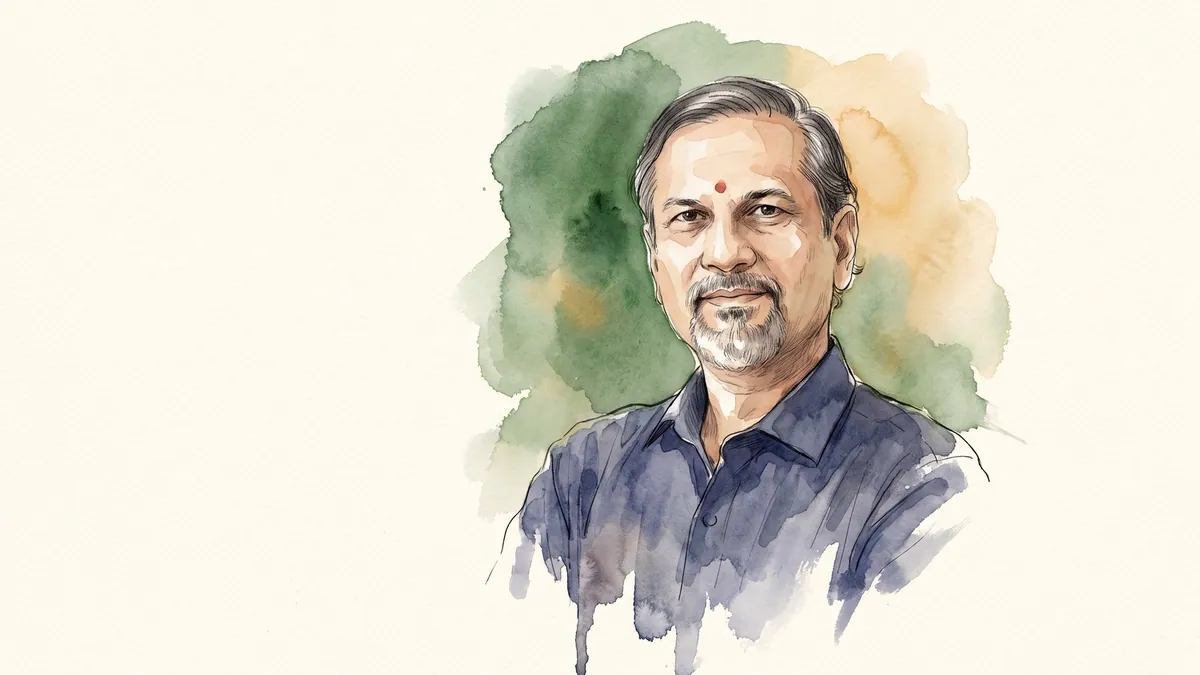
Almost every software company of Zoho's size buys attention. Sridhar Vembu built a globally recognised brand while conspicuously declining to, and the refusal is the reason anyone noticed.
Sridhar Vembu runs Zoho from Tenkasi in southern Tamil Nadu, and has spent fifteen years moving the company toward the places its industry left.
An office in a shed
The Mathalamparai operation began in 2011 in a thatched roofed shed with six employees. It now holds well over a thousand people, and the company has opened around a hundred offices in smaller cities, towns and villages across India employing several thousand more.
Why location became the message
Vembu calls the approach transnational localism, which is a phrase about staying rooted locally while selling globally. For a brand it does something no campaign achieves cheaply. It makes the claim checkable. A company that says it believes in rural India and has a thousand people in Tenkasi is making a statement a competitor cannot copy in a quarter.
A position that costs nothing to say is worth nothing. This one took fifteen years and cannot be bought.
The commercial logic underneath
Lower cost of operation funds lower prices, and lower prices are the actual pitch to a small business buyer. The philosophy and the pricing are the same decision, which is why the story does not read as corporate social responsibility.
What Sridhar Vembu gives up
Speed, mostly, and the category leadership that heavy spending can rent. It is a slower brand by design, and it accepts being less famous than it is useful.
What advertising people should take from it
That the strongest brand assets are usually operating decisions that were expensive and slow. A client who wants to be known for something should be asked what they have already done about it, because a claim with no operational cost behind it is the easiest thing in the market to match.