Why Advertising Still Works Late
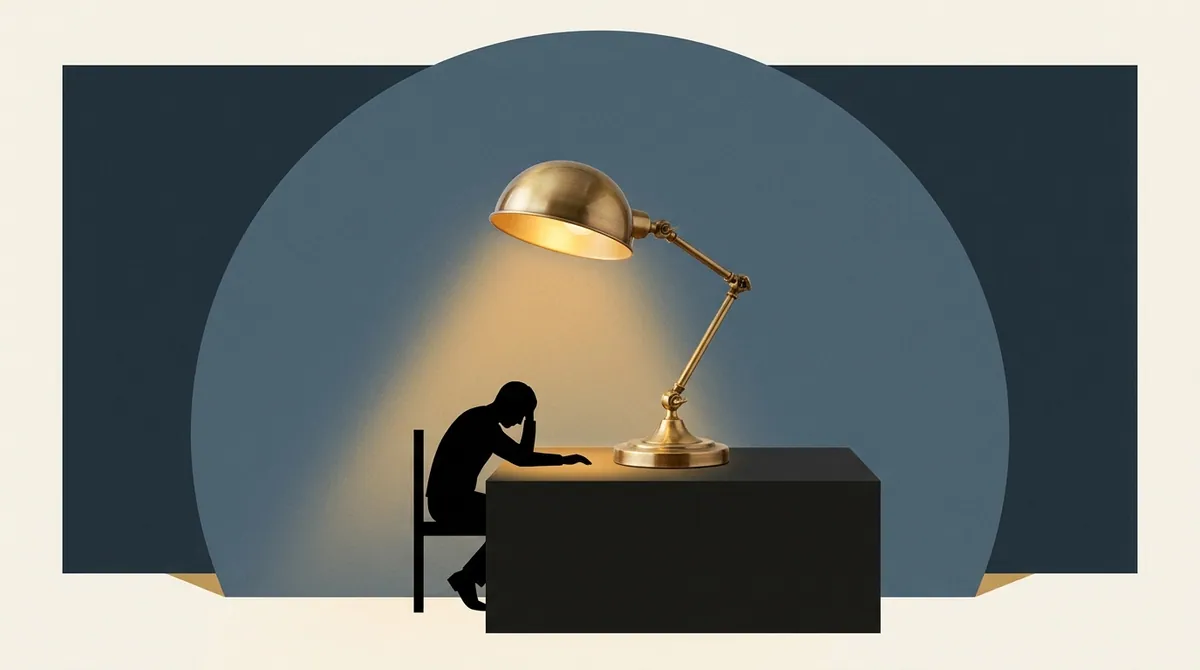
Ask anyone still at their desk past 9pm why they're there, and almost nobody says "there was too much work." What they actually say is some version of "the real brief landed at 6."
Advertising's reputation for late nights is old enough to be a cliché, and it survives because it keeps being true, not because nobody's tried to fix it. What rarely gets examined is where the lateness comes from. It is almost never the sheer volume of tasks. It's the position of the actual decision inside the day, the client sign-off that arrives after 5, the leadership review that only happens once someone senior is finally free at 6, the "quick change" that lands the night before a deck is due. The work doesn't get harder at night. It gets pushed there by everything upstream that ran late first.
When everything is urgent, nothing is
Ask any team what share of their briefs come in marked urgent, and the honest number, from account handlers as much as creatives, tends to sit uncomfortably close to all of them. Once every brief is urgent, the word stops carrying information, it just means the deadline landed badly, and whoever's on the receiving end has no way to tell a genuine fire from routine process running behind. This isn't really a client problem or an agency problem in isolation. It's a chain: the client's own approvals slip, the brief hits the agency late, the internal review compresses to make up time, and by the time the work reaches a junior team the buffer that should have absorbed the delay has already been spent by everyone standing between them and the client.
The change that's never actually the last one
Every late finish has the same beat somewhere in it: the work is basically done, and then someone senior asks for one more look. Sometimes that genuinely makes it better. Just as often it costs a junior team an hour of their evening for a difference nobody outside the room would ever clock. The person asking rarely sees the real cost, because they're not the one reopening the file at 8pm. There's a version of the same instinct that works better: a senior who asks themselves whether the change is worth someone else's evening, before they ask for it, not after.
Nobody schedules the late night. Everyone upstream of it schedules the delay that causes it.
What actually fixes this, and it isn't a wellness policy
Agencies that have genuinely cut down late finishes didn't do it by telling people to work less and hoping. They moved the real decision earlier, enforced client sign-off windows instead of politely accepting slippage, scheduled internal reviews before the crunch instead of whenever a senior calendar happened to open up, and made "urgent" scarce enough that it still meant something when used. None of that removes pressure from a genuinely deadline-driven industry. It removes the specific, entirely avoidable kind, the kind that comes from a decision arriving later than it needed to.
More on Ad Tribe Work Life.