Hyundai Is Testing a New Way to Build Its Own Ad-Tech Stack
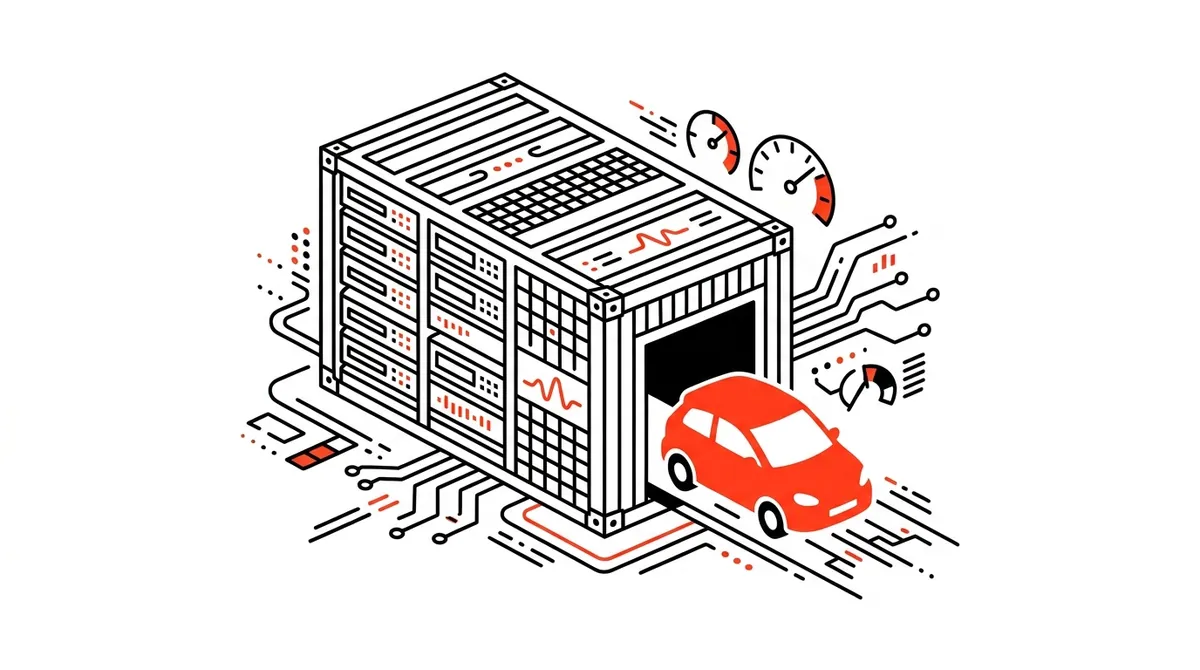
Ad-tech used to compete on features. Hyundai's pilot shows why vendors are starting to compete on infrastructure instead.
Most ad-tech pitches promise efficiency in the abstract. Hyundai just published the number, and it is large enough to explain why every serious ad-tech vendor is suddenly talking about infrastructure instead of features.
What Hyundai actually piloted
Hyundai tested OpenXBuild, a suite of APIs from supply-side platform OpenX that lets a buyer run its own bidding logic and AI models inside OpenX's own infrastructure instead of bolting them on from the outside. The pilot itself was a three-way arrangement: AI decisioning models built by Chalice AI ran inside the OpenXBuild environment to bid on inventory for three Hyundai vehicle lines. Hyundai's own marketing leadership has said the plan is to expand the approach across the rest of the fleet if the results hold.
The reported results are the reason this pilot is getting attention well beyond OpenX's own customer list: a 67% reduction in cost-per-thousand impressions and a 20% reduction in cost per high-value action, compared with the next-best alternative Hyundai was running. Those numbers come from the vendors involved rather than an independent audit, which is worth keeping in mind, but even a heavily discounted version of that result is a meaningful efficiency gain.
Why "containerised" ad tech is the new pitch
For years, ad-tech vendors differentiated on features: better targeting, better fraud detection, better reporting dashboards. OpenXBuild is part of a broader shift toward differentiating on architecture instead, letting a brand's own bidding logic run natively inside the supply-side platform's infrastructure rather than through a separate, slower round trip to an external DSP. The pitch is speed and control rather than a new dashboard.
The Ad Tribe angle
This is more technical than most stories in this category, and that is exactly why it is worth covering seriously rather than skipping. Ad-tech vendors that can prove real advertisers get real efficiency from infrastructure-level changes, not just new targeting features, are the ones setting the direction the rest of the industry gets pulled toward next.
More on Ad Tribe Ad Tech.