What Happens To Creative Careers After 40?
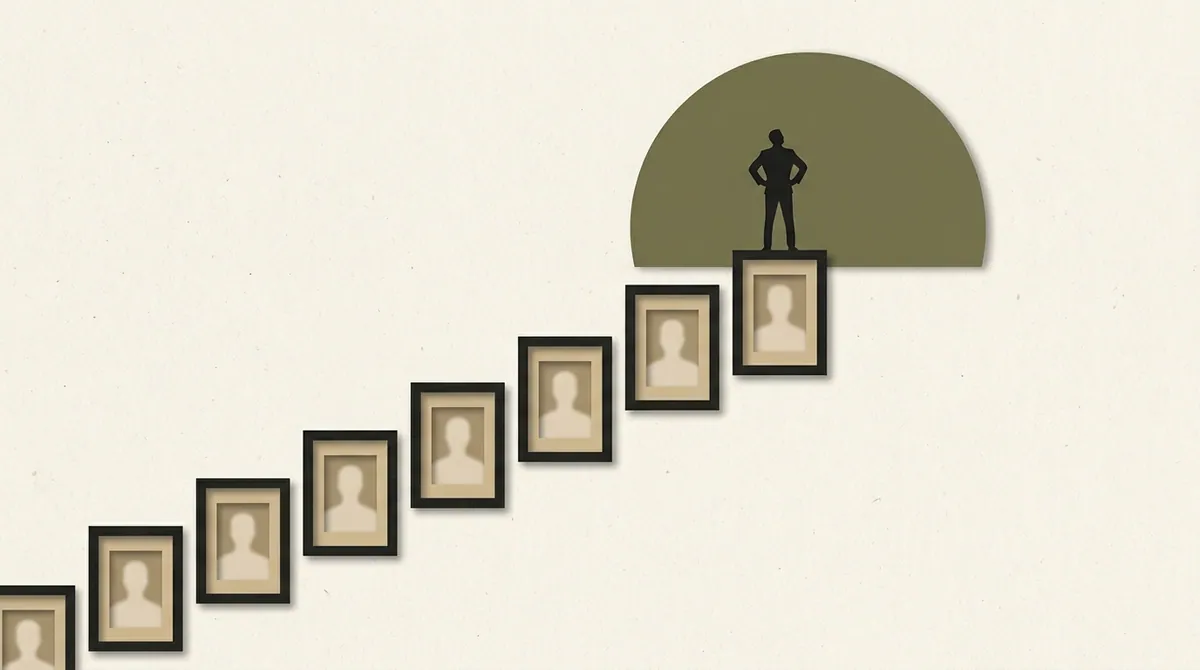
Advertising has a well-lit path for the first fifteen years of a creative career. What happens after that is not nothing. It's just off camera.
Walk into most agencies and the visible ladder is loud and well documented: junior, then associate creative director, then creative director, celebrated at every rung with a LinkedIn post and a trade-press mention. What barely gets covered is where creatives go once that ladder runs out, whether by choice, by the simple ceiling on how many CD titles a network actually has room for, or by an industry that quietly prefers to promote and profile people under 45. The IPA's 2025 Agency Census recorded only 8% of UK agency staff as over 51. That figure isn't telling you who stops being creative. It's telling you who stops being visibly employed inside the traditional structure.
Three exits the trade press barely covers
The creatives who thin out of that ladder tend to land in one of a few places nobody writes a headline about. Some go client-side, taking the pattern recognition built across dozens of agency briefs and applying it from inside a single brand, often with more budget authority and a lot less pitch-cycle churn than agency life ever offered. Some go independent, building small, high-craft studios or solo practices that trade agency scale for creative control and a client list they actually chose themselves. And some move sideways into fields advertising rarely counts as the same career at all, brand consulting, content studios, education, where the underlying skill, taking a complicated idea and making a stranger feel something about it, turns out to transfer cleanly, no matter what the job title says.
What gets lost either way
Whichever door a creative walks through once the visible ladder narrows, something real leaves the building with them: their pattern recognition stops being available to whoever's coming up next, unless the agency has deliberately built a way to keep senior craft in the room, mentorship structures, senior-advisor roles, part-time craft leadership, none of which require a full-time CD title attached. Very few agencies have built that with any real intention. Most just let experienced people drift out and rehire young, filing it as a cost-saving instead of what it actually is: institutional memory walking out the door.
The path doesn't end at 40. The industry's coverage of it does.
What it actually looks like from inside
Talk to creatives a decade or two past the point where the industry's spotlight usually moves on, and a common thread shows up: most describe the shift not as decline but as a redirection of the same instinct toward more autonomy and a lot less permission-seeking. That's a different story than "creative careers end at 40." It's closer to advertising stops being the only room that instinct is welcome in, right around the point it was finally, fully earned.
More on Ad Tribe Work Life.