Will AI Make Junior Creative Jobs Disappear, Or Just Change What They Do First?
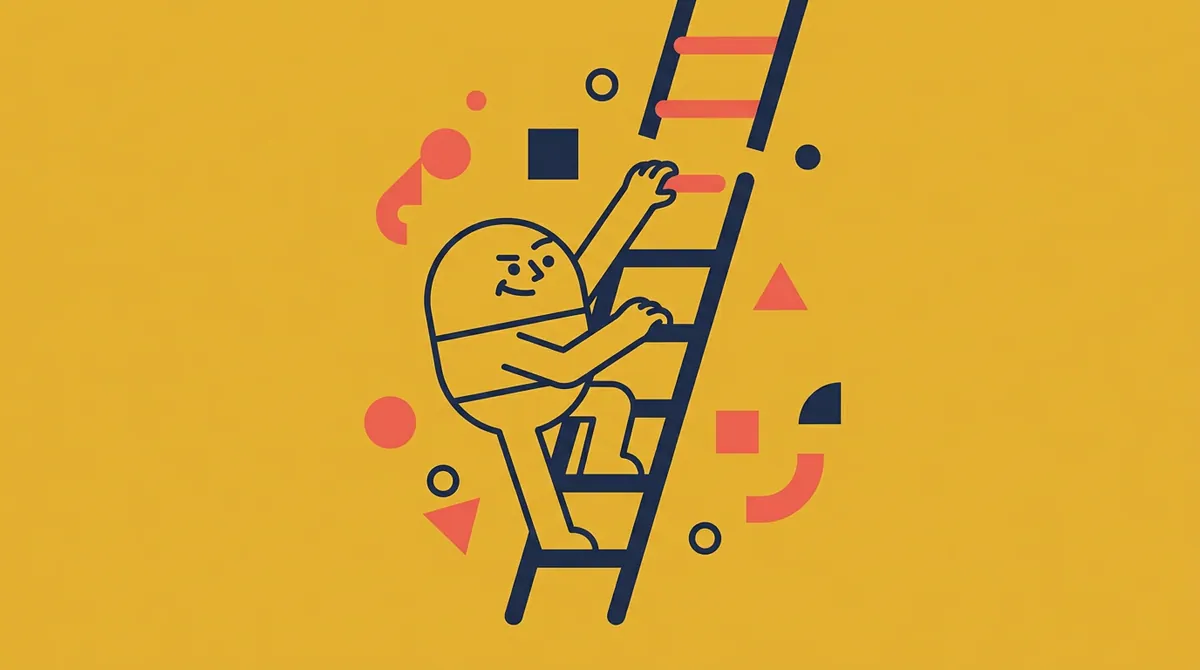
Junior creatives have always learned the job by doing the unglamorous parts of it first. AI can now do most of those unglamorous parts. What that leaves for a junior to actually learn on is the real question, not whether the jobs vanish outright.
A large share of what an entry-level copywriter or art director used to spend their first two years doing, churning out headline variations, resizing layouts, producing rough visual options, is exactly the kind of repetitive, pattern-based work AI is good at. That has made it tempting to assume the junior tier of the industry simply shrinks. But the work was never really the point of a junior role. It was the mechanism through which juniors built taste, speed and instinct, by doing a lot of it badly before doing some of it well.
The jobs are changing shape faster than they're disappearing
Agencies that are handling this well are not simply cutting junior headcount and calling it efficiency. They are redefining what a junior spends their first year doing, moving them earlier into judgment-heavy work, editing and selecting AI output, sitting in on client conversations sooner, learning to evaluate ideas rather than only produce them. That is a genuinely different apprenticeship, not an absence of one.
The risk is a missing rung, not a missing job
The real danger is not that junior roles disappear entirely, but that the specific rung they used to climb, repetitive production work that built craft through volume, gets removed without anything replacing it. A junior who is handed only AI-refined output to approve, without ever having produced raw work themselves, may develop judgment without the underlying craft instinct that judgment is supposed to be checking.
The industry doesn't need to save junior jobs as they were. It needs to build a new apprenticeship that teaches the same instincts through different work.
What a redesigned apprenticeship looks like
The agencies thinking furthest ahead on this are building structured critique into junior roles earlier, having new hires evaluate and improve AI drafts against a brief rather than just approve them, and deliberately keeping some manual production work in the mix specifically because the struggle of doing it badly is what teaches the eye. That is a harder programme to design than simply hiring fewer juniors. It is also the one that keeps producing seniors worth trusting a decade from now.