The Prompt Is Not The Asset
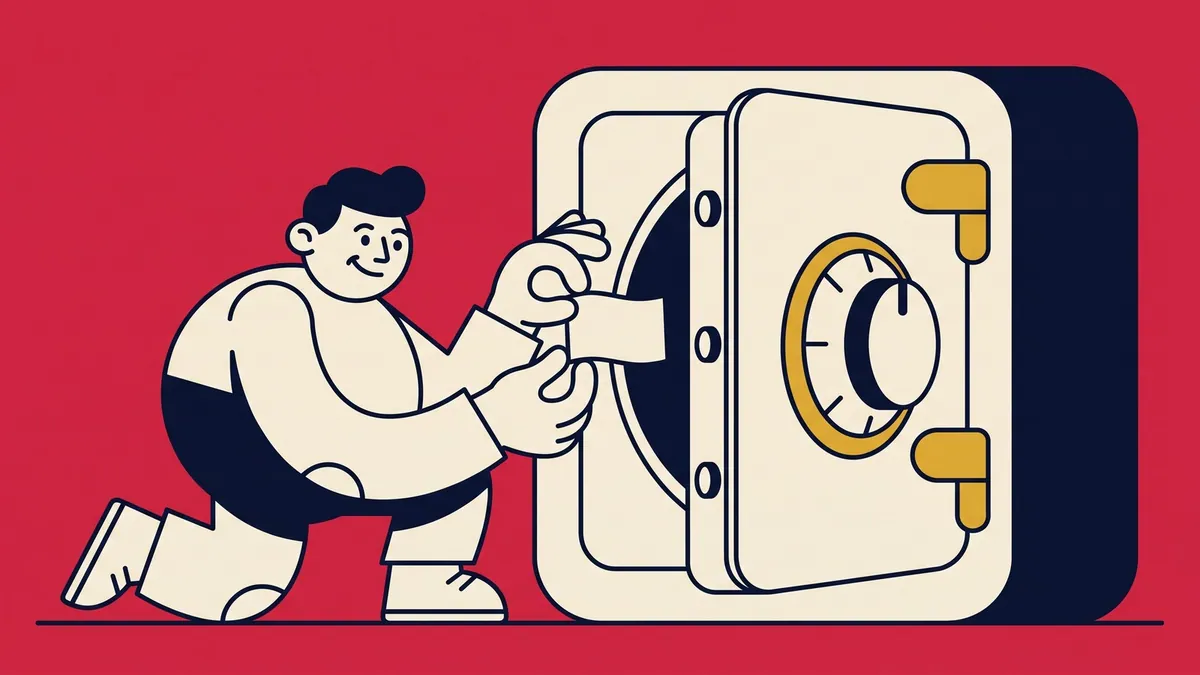
There is a quiet arms race in agencies around prompt libraries: shared documents, internal tools, occasionally a claim to clients that this is proprietary methodology. Most of it is guarding the wrong thing.
A prompt is a description of what you want. It transfers in a screenshot, stops working when a model updates, and can usually be reconstructed by anyone who has seen the output and knows the category.
What A Prompt Cannot Carry
Three things. The judgement to know which of forty outputs is worth showing, which is taste and takes years. The brand knowledge that makes the instruction specific rather than generic. And the workflow around it: who reviews, against what, before it reaches a client.
None of those fit in a document, which is exactly why they are defensible and why the prompt is not.
If your advantage can be pasted into a message, it was never an advantage.
The Real Risk Of Overclaiming
Selling a prompt library as methodology invites a client to ask for it, and the request is hard to refuse when you have described it as the value. Agencies have made this mistake before with process decks and proprietary frameworks, and the pattern ends the same way: the artefact is handed over and the thinking goes unpaid.
What To Say Instead
That the output is not the tool's, it is what the tool was pointed at, and by whom. The IPA's Agency Census 2025 found 88.3% of agencies reporting considerable AI impact. When everyone has the same tools, the only remaining argument is judgement, so it may as well be the one on the invoice.
More from The AI Shift.