The End Of The First Draft: Why Clients May Expect Finished Work Too Early
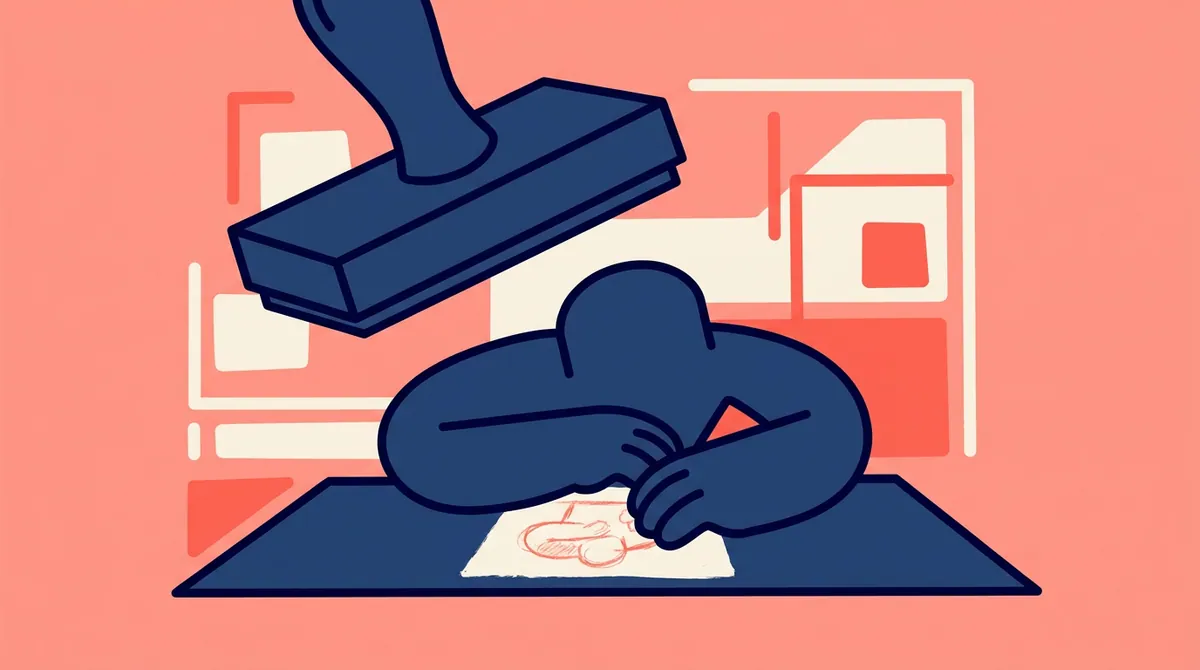
The first draft used to look unfinished on purpose. It invited feedback on the idea rather than the execution. AI-generated first drafts arrive looking done, and that is training clients to react to the wrong thing at the wrong stage.
A rough first draft has always served a specific purpose in the creative process: it is deliberately incomplete so that a client's attention goes to the underlying concept rather than to font choices, colour grading or a background detail that has not been finished yet. The roughness itself was a signal, telling the client where in the process they were and what kind of feedback was actually useful at that stage. AI-generated drafts break that signal, because a tool that outputs a fully rendered image cannot help but look closer to finished than the thinking behind it actually is.
What happens when a draft looks too finished too early
When an exploratory concept arrives looking polished, clients understandably start reacting to it the way they would react to a near-final piece: commenting on execution details, colour choices, small compositional decisions, rather than on whether the core idea is right. That is precisely backwards for where the work actually is in the process, and it can waste an entire review cycle on notes that would only matter once the concept itself is locked, while the more important question, is this the right idea at all, goes unasked.
Why this is a communication problem, not a tooling problem
The instinct to blame the AI tool for this misses what is actually going wrong. The tool did exactly what it was asked: produce a polished visualisation of a rough idea. The failure is that nothing in the presentation told the client which stage of thinking they were looking at, because the old visual shorthand, roughness equals early stage, polish equals near-final, no longer holds when every draft can look finished regardless of how developed the thinking behind it is.
The draft stopped looking unfinished. Someone still has to say out loud what stage of thinking it actually represents.
What needs to replace the old shorthand
Agencies handling this well are building a new, explicit shorthand to replace the one AI accidentally erased: labelling work clearly as concept exploration versus near-final direction, and directing client attention deliberately toward the specific question that stage actually needs answered, rather than assuming a polished visual will guide the client's feedback to the right level on its own. It won't. The polish AI adds has to be paired with a level of stage-setting that used to be unnecessary, because the roughness itself used to do that job for free.