Sweet Karam Coffee Puts Its Mumbai Campaign In The Dabbawalas' Hands
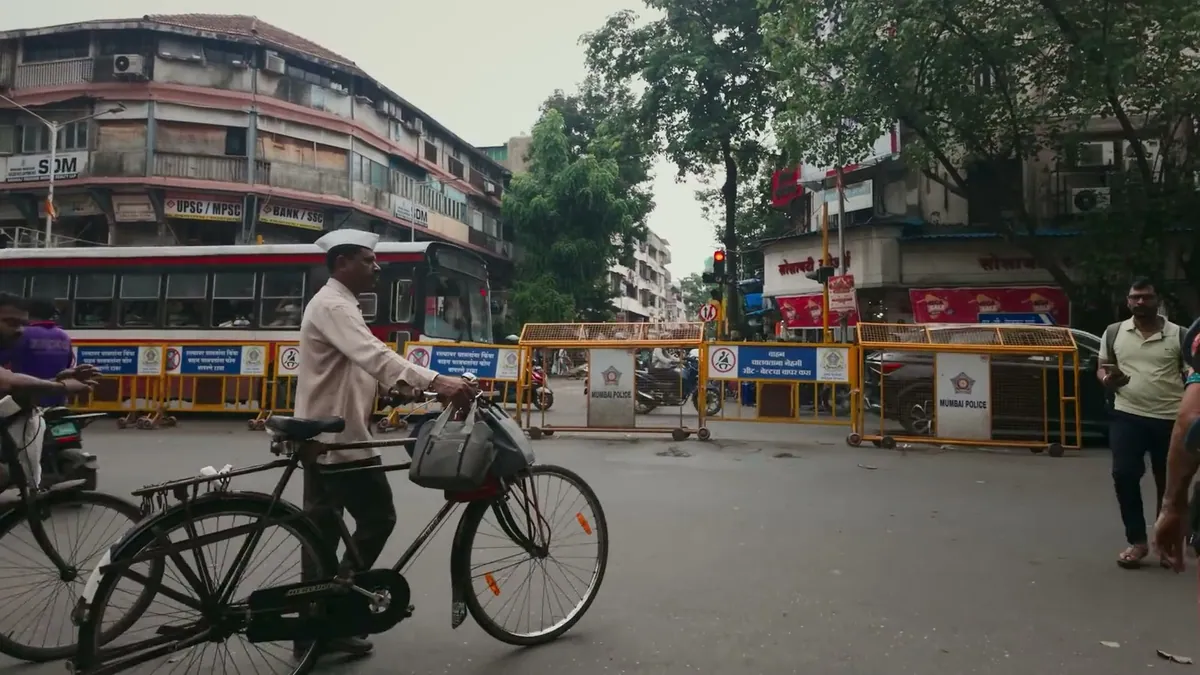
Sweet Karam Coffee has partnered Mumbai's dabbawalas for a campaign built on food as a link to home, as the South Indian brand pushes deeper into the city.
- Brand: Sweet Karam Coffee, a clean-label South Indian food brand
- Partner: Mumbai's dabbawalas
- Conceptualised and produced in house by the brand's own video team
- Hero product in the film: Peanut Chikki, made without liquid glucose
- Mumbai is reporting double-digit month-on-month growth, led by Andhra Spicy Murukku and Ghee Mysore Pak
- Spokespeople: Anand Bharadhwaj, Co-founder; Nalini Parthiban, CEO
Sweet Karam Coffee Borrows Trust Rather Than Buying Reach
The dabbawalas are not a media property. They are a delivery network with a century of standing in Mumbai, built on carrying food cooked at home to the person who will eat it. Every association a brand makes with them is an association with that specific meaning.
For a South Indian brand selling into a Maharashtrian and cosmopolitan market, that is a precise borrow. The problem is not awareness of the product, it is the assumption that food from somewhere else belongs to somewhere else. Bharadhwaj named it directly:
"Mumbai has shown us that food rooted in one part of India can find love and belonging far beyond its place of origin. The dabbawalas have carried that feeling across the city for generations."
Made In House, Which Is Increasingly The Norm
The film was conceptualised and created by the brand's own video team rather than an agency. For a D2C business at this stage that is now the default rather than a compromise, and it shows in the work: a documentary-adjacent piece built on real people costs a fraction of a scripted film and gains something a cast cannot fake.
The trade-off is the one every in-house team meets eventually. A campaign that runs on authenticity has nowhere to go when the brand needs a second and third execution, and that is usually the point at which an agency gets called.
The Campaign Is A Distribution Story
Parthiban was explicit that this is not a one-off:
"This campaign is not a standalone brand activation but part of our larger long-term focus on the Mumbai market."
She listed the channels behind it: quick commerce, D2C, modern trade, micro EBOs and further physical retail, with a shop-in-shop approach already running through Freshpik and GoFresh in Maharashtra.
That is the honest shape of it. The dabbawala film buys permission and warmth; the growth comes from being on enough shelves and in enough ten-minute delivery catalogues that the warmth has somewhere to convert.
More on Ad Tribe Campaigns.