Generated Images And The Stereotype Problem
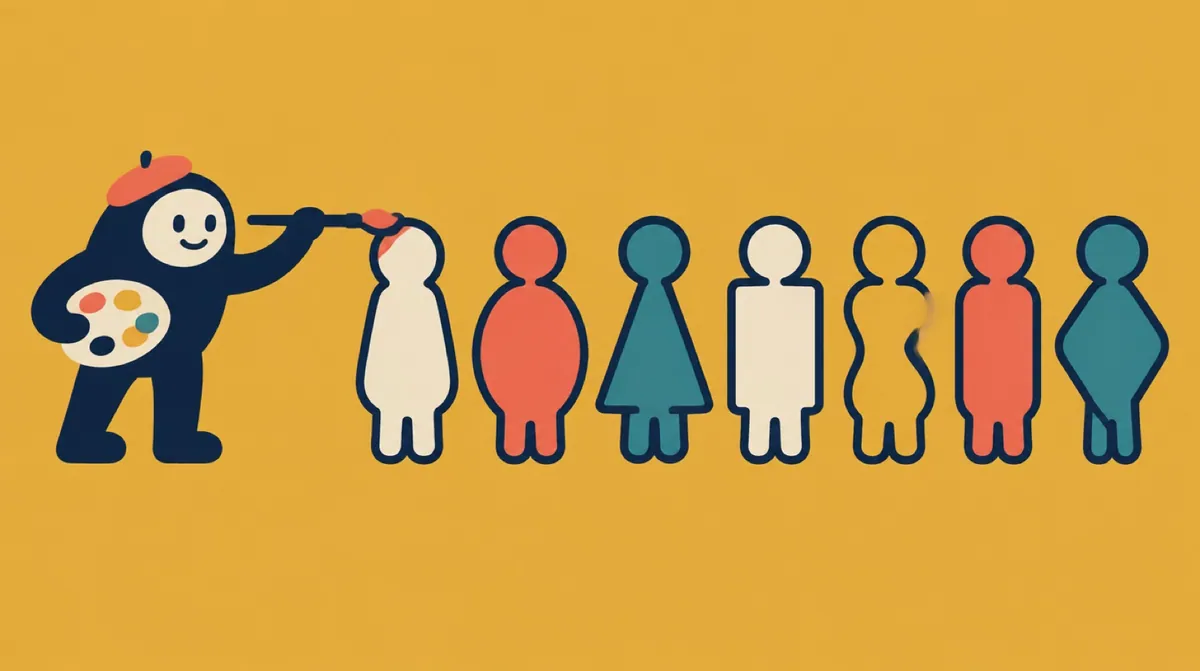
Ask a generator for an Indian family, a farmer, a wedding or an office, and what comes back is recognisable, competent and narrow. Generated images of Indian life tend to arrive pre-averaged.
The result is rarely crude enough to be called offensive. It is something duller and more commercially damaging: a version of the country assembled from the pictures that were already online in the largest numbers, which is not the same as the country.
What Generated Images Get Wrong About India
Class, mostly. Interiors come back tidier and wealthier than the brief suggested, or, if poverty is requested, exaggerated into a picture of scarcity that no brand would run.
Region comes second. The default wedding, the default kitchen and the default street tend towards a small set of visual conventions that flatten a lot of differences an Indian audience reads instantly.
And period. A surprising amount of generated Indian imagery looks like 2012, because that is when a great deal of the available reference material was made.
The tool is not describing India. It is describing the photographs of India that happened to be indexed.
Why This Is A Commercial Problem
Because specificity is what makes advertising work. A room that looks like a real family's room earns attention that a generically pleasant room does not, and the whole craft of casting and art direction in Indian advertising has been built on getting that right.
A team that accepts the first plausible output is not being unethical. It is being less interesting than the brief needed, which is a failure the client will feel without being able to name.
The Working Practice
Brief like a photographer: name the city, the income, the year, the material of the floor. Reject the first plausible image as a matter of routine. And keep a real reference set, shot or sourced, that shows the tool what this brand's version of the country looks like.
Related: what affordable regional advertising changes.
More in The AI Shift.