Who Decides The Final Cut
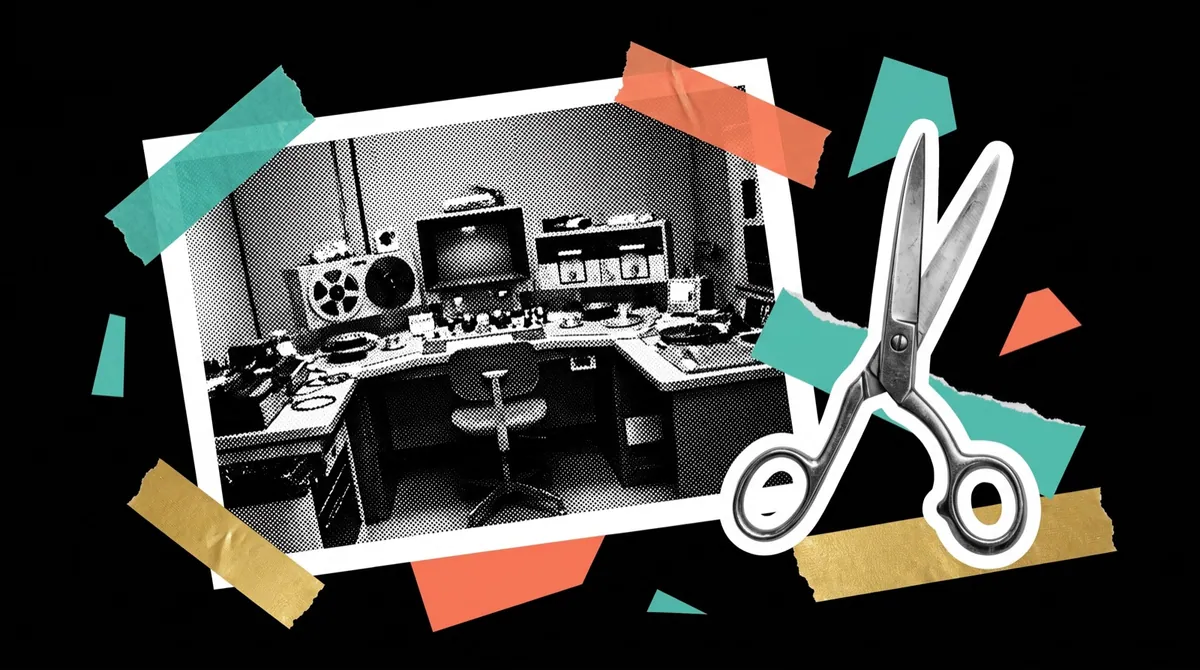
The edit is where an ad film is actually written for the second time, and it is the stage with the least agreed authority. Everybody has a view on the final cut and almost nobody owns it.
On paper the director delivers a cut, the agency approves it and the client signs it off. In practice a commercial passes through more hands than that, and each pair adds a note that is individually small and collectively fatal.
The people who touch the final cut
The director and the editor, who built it. The creative team, who wrote it and are watching for the thing they imagined. The account team, who are watching for the thing the client asked for. The brand team, who are watching for the product. The legal reviewer, who is watching for the claim. And the media team, who need it in four lengths.
None of those are unreasonable. The problem is that they arrive in sequence rather than together, so the film is re-cut six times to satisfy six people who never had to reconcile their notes with each other.
What the sequence does to a film
It shortens the silences first. Every reviewer under time pressure asks for the brand earlier, the product clearer and the message repeated, and the pauses that made the film feel human are the easiest thing to give up in exchange.
Then it flattens the performance, because the take that is most legible is rarely the take that is most alive, and legibility wins a room of eleven people.
How the better agencies handle it
By collapsing the chain. One consolidated review, everybody in the same call, notes reconciled before they reach the edit suite, and one named person who decides when two notes contradict.
And by protecting one thing explicitly. If the team agrees before the shoot that the pause at four seconds is the reason the film works, that pause has a defender in the room when the pressure arrives. Without that, it goes, and nobody can quite remember who asked for it to go.