Can You Tell a Pearl From a Peach?
Two decades, both sides of the table and one hard-won lesson. Nikhil Narayanan on what it really takes to keep a good idea alive.

If you work in Indian advertising and spend any time on LinkedIn, there’s a good chance you’ve come across Nikhil Narayanan. He shares candid, often witty observations about creative work and the people who make it.
He "officially" began his career as a copywriter at Origami Creative Concepts in 2006. After several stints across agencies like Grey, McCann, and Ogilvy, he switched to the brand side, leading creative at TCS, Pine Labs and Zlade. Today, he heads creative at AirAsia MOVE.
Having pitched ideas as an agency creative and approved them as a client, he has seen how good work gets made, and how it gets lost along the way.
Ad Tribe spoke to him about approval chains, why so many ads start to look alike, and the lesson he wishes he had learned sooner. His answers are honest and sharp, with plenty of humour along the way.
Where good ideas go to die
Ad Tribe: You have worked on the agency side and led creative work inside TCS, Pine Labs, Zlade and now AirAsia MOVE. Where do good ideas die more often, in the agency or in the brand's approval chain?
Nikhil: In an ideal scenario, fewer good ideas should die in an agency than on the brand side, right? Why? Because the agency is the creative engine of an idea's journey.
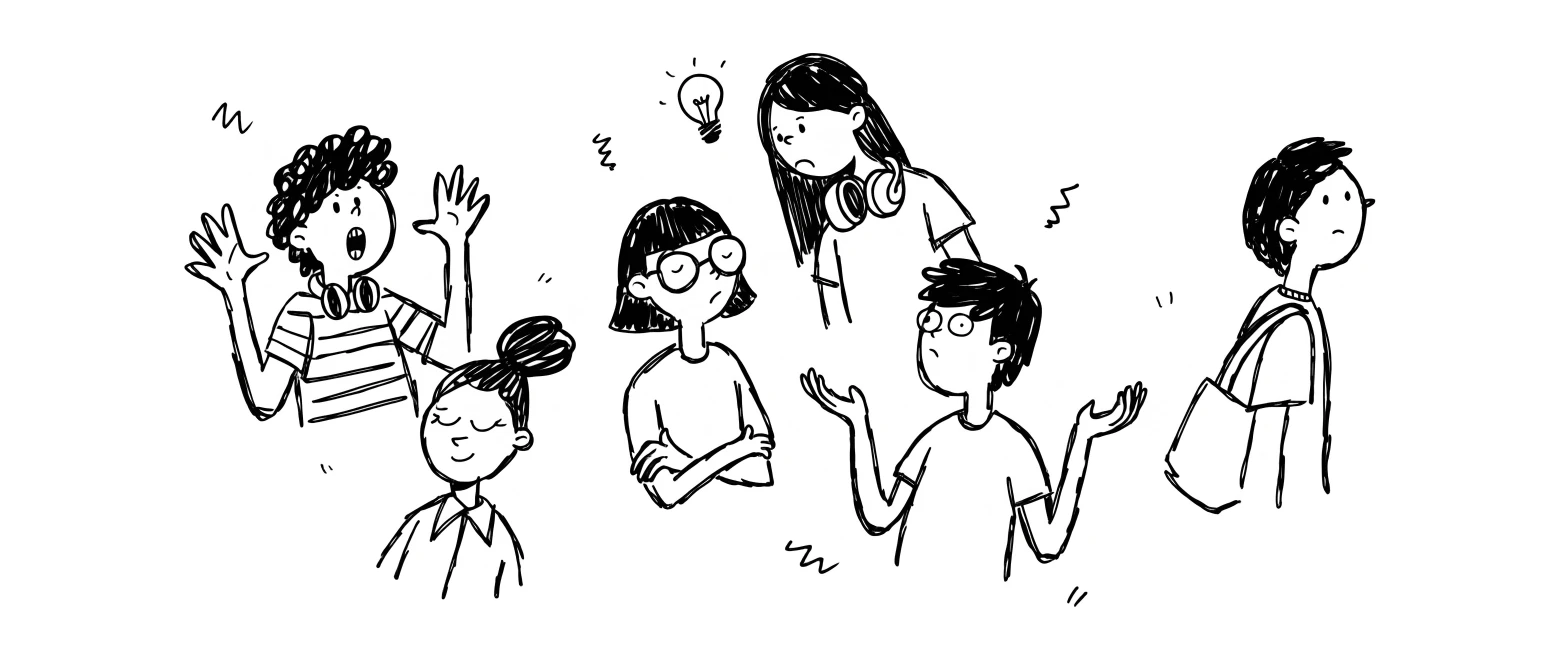
Unfortunately, though, most agencies have moulded themselves into "yes people" for the client, a long way from their original avatar as "guardians of great ideas". So every idea faces more than enough hurdles within the hallowed walls of the agency before it reaches the client's door.
That was me ranting. Anyway.
Most agencies have moulded themselves into "yes people" for the client, a long way from their original avatar as "guardians of great ideas".
There is no standard answer to this, to be honest. Great ideas face detractors on both sides of the agency-brand table. And whichever side has the bigger decision-making committee wins the idea body count battle.
Homage, or just lazy?
Ad Tribe: Why do ads in the same category end up sounding alike, and what has helped you break away from the pack?
Nikhil: When I started out in the industry, any resemblance to an existing idea was considered a massive red flag. Seniors would look at an idea you presented and say something like, "This was done in 1987 by some obscure agency at the other end of the world."
Because advertising was studied in agencies. That knowledge and curiosity are gone now.
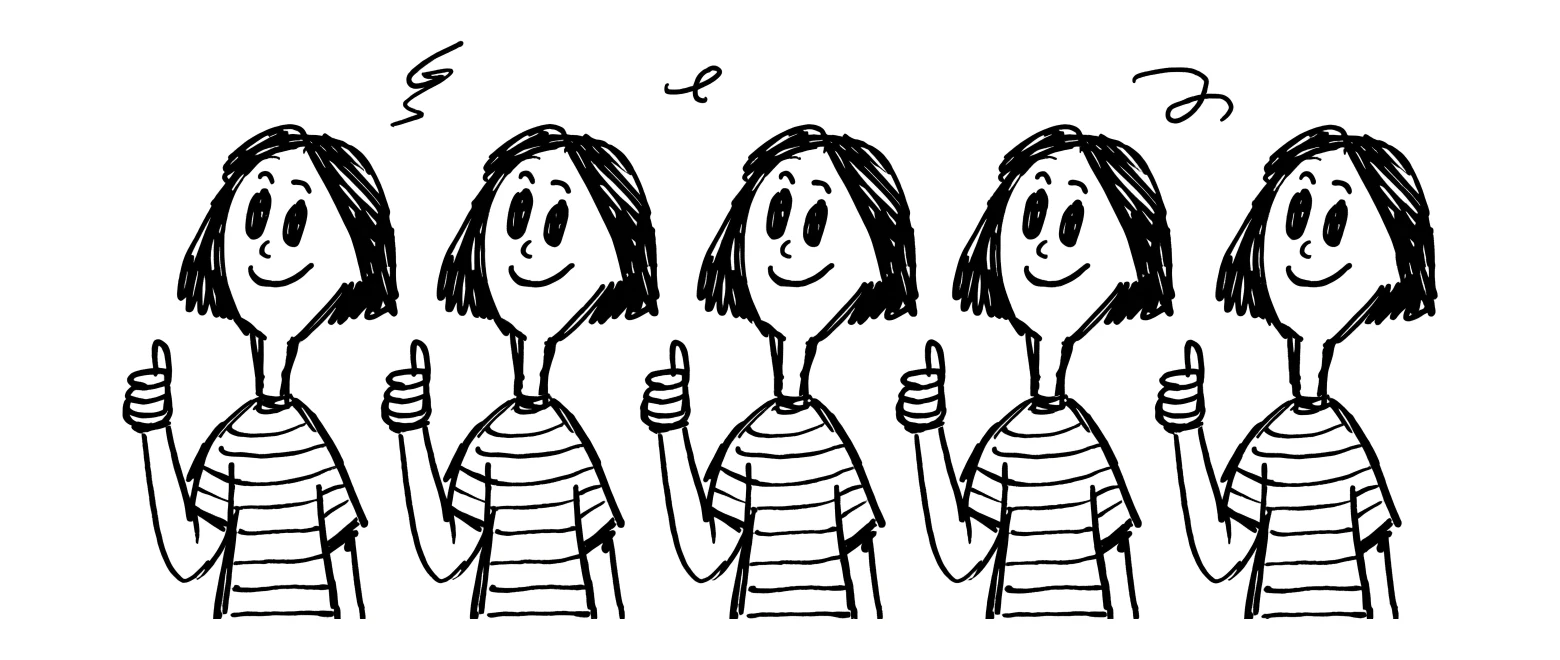
Today, everything is a meme template, and the recency bias is immense. That combination leads to ads that look like other ads. Some call it an homage. I call it lazy and unimaginative.
The story is the product
Ad Tribe: You have led creative for fintech and enterprise brands such as Pine Labs and TCS. What makes advertising for a serious product worth watching?
Nikhil: As clichéd as it might sound, a good story makes it worth consuming. A compelling story transcends industries and categories. Because the listener is a human being at the end of the day, and everyone likes a good story.
Not every moment needs to be marketed
Ad Tribe: Your LinkedIn writing has built a large following. What has writing in public taught you about how people read, and what can brands borrow from it?
Nikhil: If you have something to say, say it in the way that is most interesting to you. The readers will come. It is when you try to force it that the authenticity (another abused term) is lost. That's true of all things half-baked.
It's the same with brands, and I have said it over and over again. Not every moment needs to be marketed. Find one that is true to your personality and go all out.
Not every moment needs to be marketed. Find one that is true to your personality and go all out.
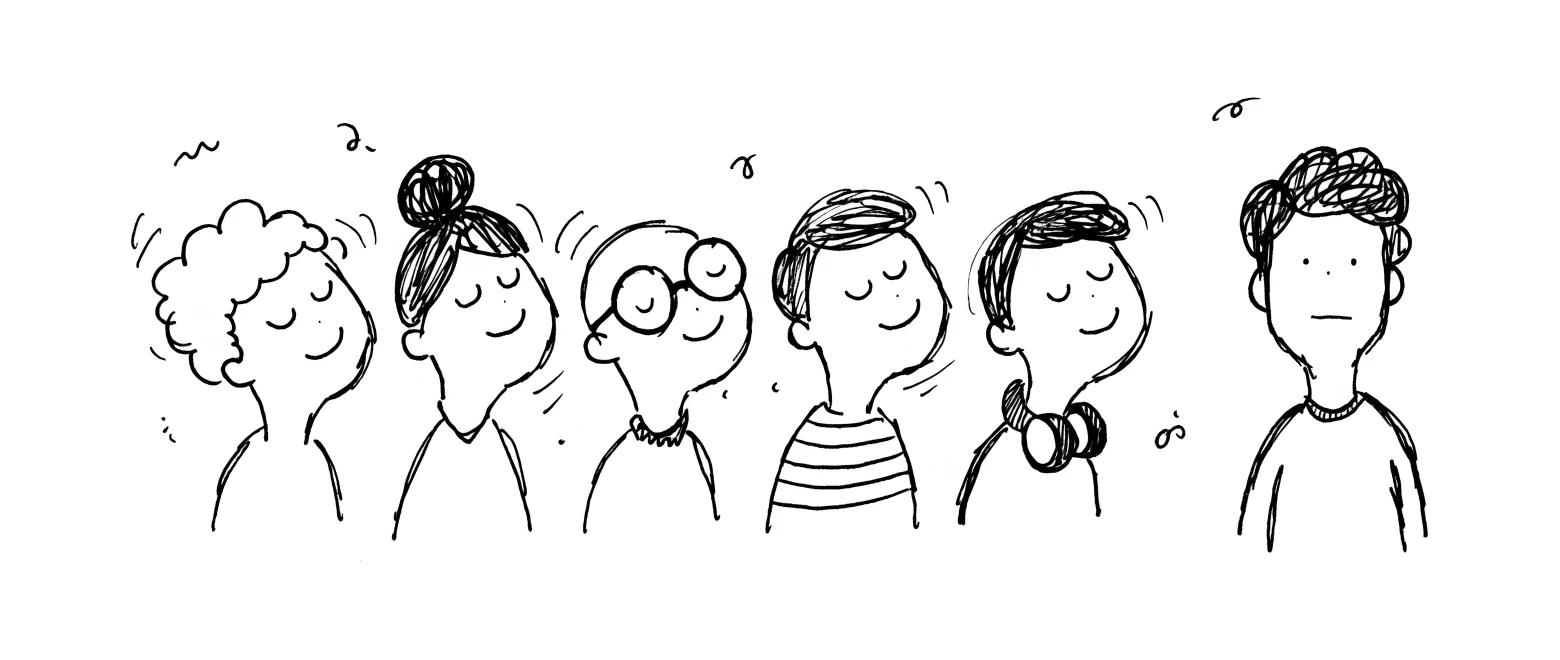
Doing something because every other brand is doing it is a clear sign of a brand that lacks any sort of personality.
Pearls, pigs and peaches
Ad Tribe: Looking back from copywriter to head of creative strategy, what is one belief about creative work you hold today that you would not have held ten years ago?
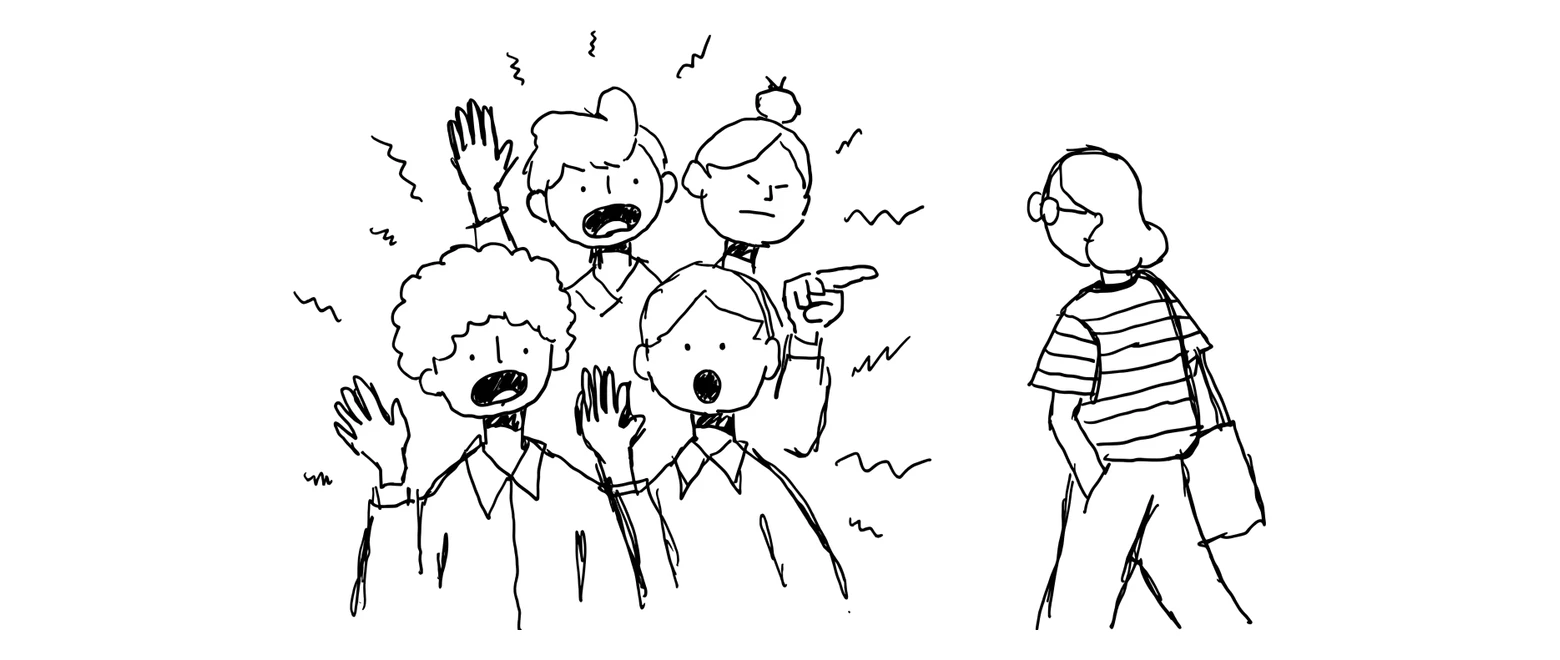
Nikhil: Not every battle is worth fighting. Trying to sell pearls to a pig is an assault on your mental health. Walk away.
Unless the pig is reasonable and can tell a pearl from a peach.
Before we sign off
Over the course of our conversation, Nikhil gave us a rant, a semi-fictional lesson from the past, a case for storytelling in serious categories, and a farmyard metaphor. We wouldn’t have had it any other way.
Beneath the humour, there’s a lot of hard-earned sense here. Having worked on both sides of the table, he has seen plenty of good ideas lose their way. Sometimes it’s too many opinions. Sometimes it’s simply the wrong room. If there’s one thing to take away, it’s this: Fight for the idea. Just make sure the room can tell a pearl from a peach.